Exploring the Majestic Antelope Canyon in Arizona

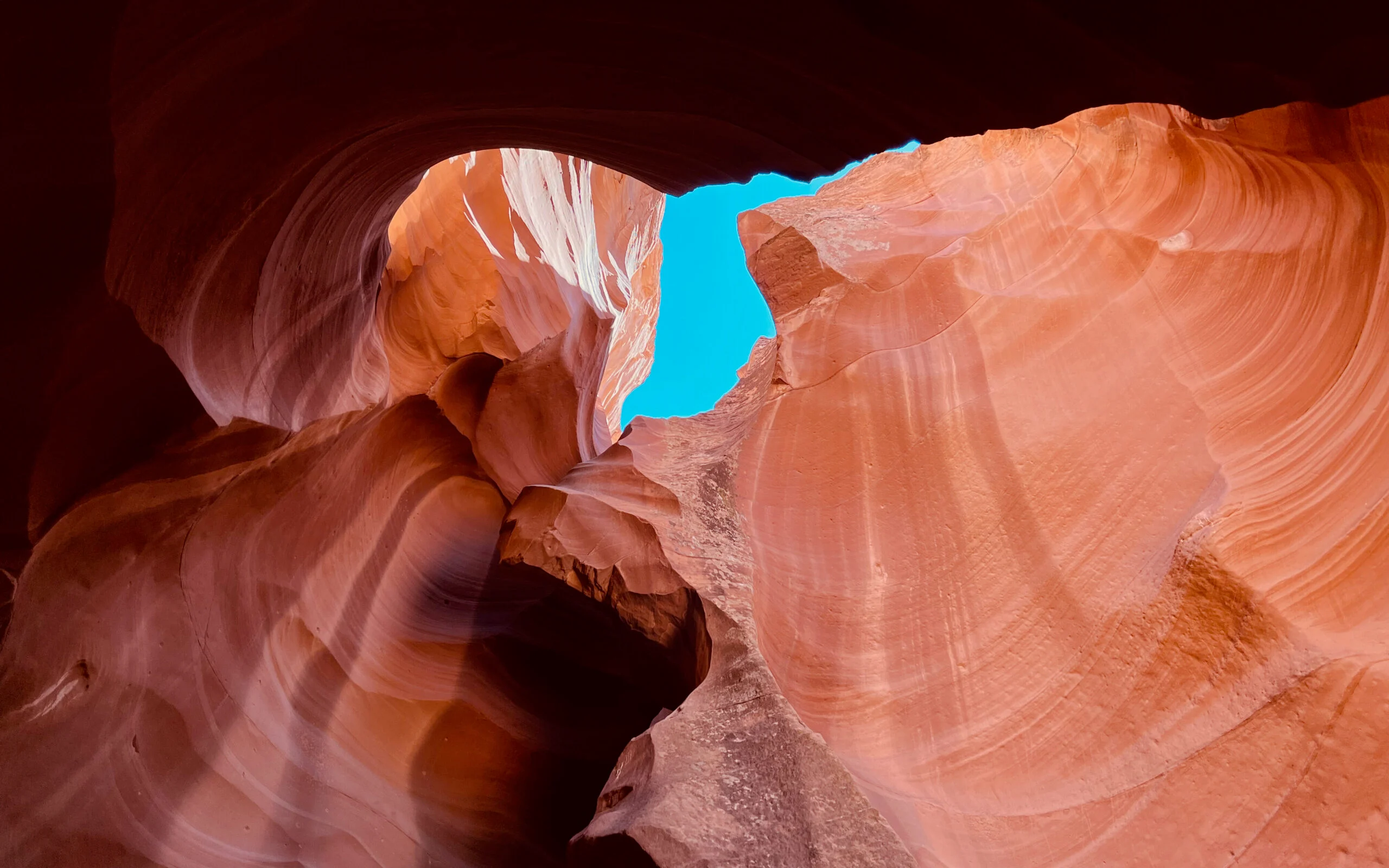
organicjuicebardc.com – Nestled in the heart of Arizona, Antelope Canyon is a geological marvel that has captivated the hearts of photographers, tourists, and nature enthusiasts from around the globe. This stunning slot canyon, located on Navajo land near Page, Arizona, is renowned for its wave-like structure and the ethereal light beams that illuminate its narrow passages during the midday sun.

The Natural Beauty of Antelope Canyon

Antelope Canyon is divided into two separate sections: Upper Antelope Canyon and Lower Antelope Canyon. Upper Antelope Canyon, also known as “The Crack,” is the most famous and visited part of the canyon. It is accessible via a staircase and offers a more straightforward walking experience, making it suitable for all visitors. The canyon’s narrow walls, towering above, create a mesmerizing play of light and shadow, especially when the sun’s rays pierce through the openings, creating a mystical atmosphere.

Lower Antelope Canyon, on the other hand, is characterized by its more rugged terrain and requires climbing down a ladder and navigating through tighter spaces. This section of the canyon offers a different perspective, with its own unique formations and colors. Both parts of the canyon are equally stunning, each offering a distinct experience of the natural wonder.

The Significance of Antelope Canyon

Beyond its breathtaking beauty, Antelope Canyon holds a significant place in Navajo culture. The canyon is considered a sacred site, and its name is derived from the Navajo term “Tsé bighánílíní,” meaning “the place where water runs through rocks.” The canyon has been a source of spiritual and cultural inspiration for the Navajo people, and it is important to respect the site’s significance when visiting.

Visiting Antelope Canyon

Visiting Antelope Canyon requires a guided tour, as it is located on Navajo land. Tours are available year-round, but it’s essential to book in advance, especially during peak tourist seasons. The canyon’s popularity has grown significantly over the years, and tours can fill up quickly.

Photographers are particularly drawn to Antelope Canyon for its unique lighting conditions and the opportunity to capture the canyon’s ethereal beauty. However, all visitors can appreciate the canyon’s natural splendor, making it a must-visit destination for anyone traveling to Arizona.

Preserving Antelope Canyon

As with any natural wonder, preserving Antelope Canyon for future generations is crucial. The Navajo Nation and tour operators have implemented measures to protect the canyon, including limiting the number of visitors and ensuring that tours are conducted in an environmentally responsible manner. It is important for visitors to follow guidelines and respect the canyon’s delicate ecosystem to ensure its preservation.

In conclusion, Antelope Canyon is a testament to the awe-inspiring beauty of nature. Its unique formations, combined with the cultural significance it holds for the Navajo people, make it a truly special place. Whether you’re a photographer seeking the perfect shot or a traveler looking to experience the natural wonders of Arizona, a visit to Antelope Canyon is sure to leave a lasting impression.

Exploring the Layers of Hell: The Nine Circles

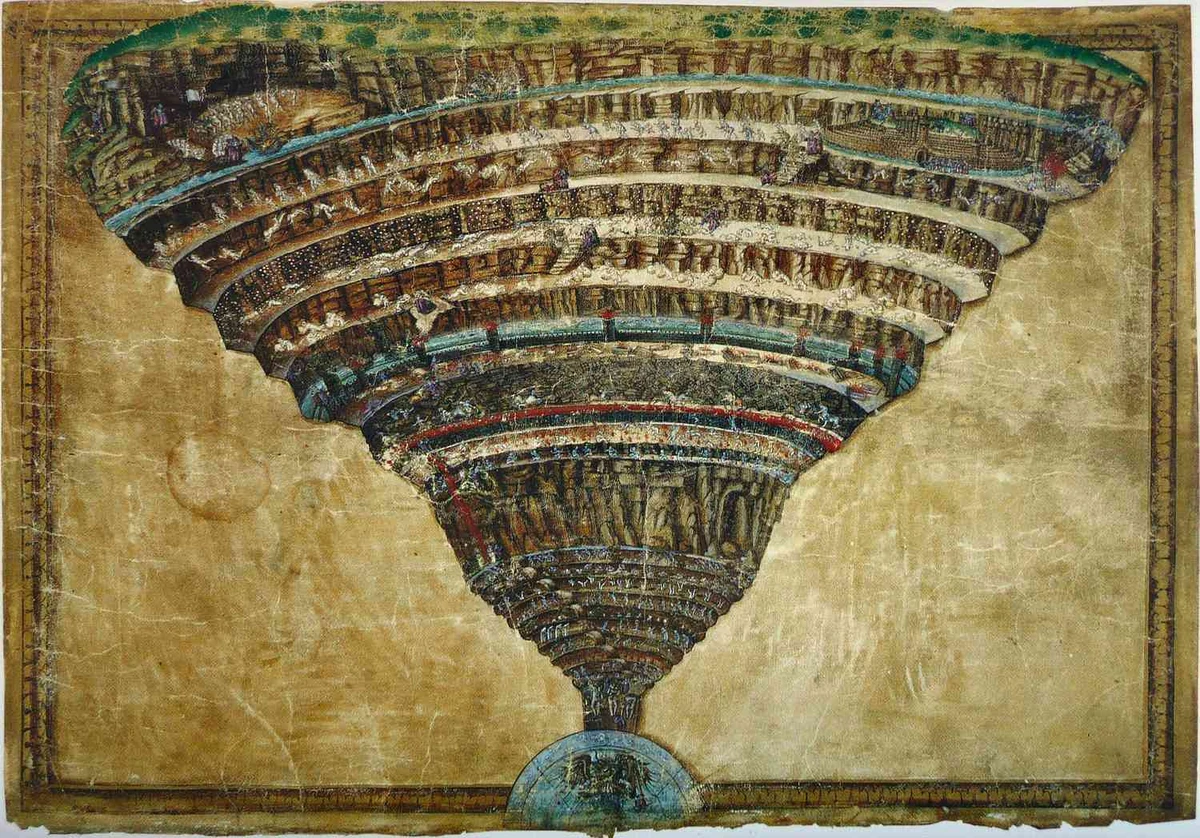
organicjuicebardc.com – The concept of Hell has been a staple in religious and mythological narratives for centuries, serving as a place of punishment for the wicked and a warning for the living. Among these depictions, Dante Alighieri’s “Inferno,” the first part of his epic poem “The Divine Comedy,” offers one of the most detailed and influential visions of Hell. In this literary masterpiece, Hell is structured into nine circles, each reserved for different categories of sinners, descending into deeper levels of suffering and despair. This article delves into the exploration of these nine circles, uncovering the layers of Hell as imagined by Dante.

The First Circle: Limbo

The first circle, Limbo, is the outermost edge of Hell, reserved for the virtuous non-Christians and unbaptized pagans. Here, the atmosphere is not one of torment but of a profound sadness, as the inhabitants are aware of their exclusion from Heaven. Despite their noble lives, they find themselves in a state of eternal longing.

The Second Circle: Lust

In the second circle, the souls of those who were overcome by lust are violently tossed about by the winds of a never-ending storm. This punishment symbolizes the lack of control these individuals had over their desires during their lives, now mirrored in their eternal lack of rest.

The Third Circle: Gluttony

The third circle is dedicated to gluttons, who are forced to lie in a cold, putrid slush while being pelted by a ceaseless, foul rain. Cerberus, the three-headed dog, guards this circle, adding to the torment by mauling and devouring the souls.

The Fourth Circle: Greed

Greed, both hoarding and squandering, is punished in the fourth circle. Here, the avaricious and the prodigal are condemned to an eternal brawl, pushing weights at each other in a grotesque parody of their earthly fixation with material possessions.

The Fifth Circle: Wrath

The fifth circle, also known as the River Styx, is a dark and turbid waterscape where the wrathful and sullen are submerged. The wrathful fight on the surface, while the sullen lie beneath the water, glaring at the sky in eternal resentment.

The Sixth Circle: Heresy

Heresy is punished in the sixth circle, where heretics are trapped in flaming tombs, enduring the physical manifestation of the spiritual fire they kindled with their beliefs. This circle emphasizes the importance of orthodoxy and the dangers of straying from the established faith.

The Seventh Circle: Violence

The seventh circle is divided into three rings, each punishing different forms of violence: against neighbors, against self (suicide), and against God, nature, or art. The punishments range from being immersed in a river of boiling blood to being gnawed on by harpies, reflecting the brutality of their crimes.

The Eighth Circle: Fraud

Fraud, being a deliberate deception motivated by malice, is punished in the complex and multifaceted eighth circle. It is divided into ten bolge (ditches), each reserved for different types of fraud, from seducers and flatterers to thieves and corrupt politicians. The punishments here are often poetic, reflecting the nature of the sin committed.

The Ninth Circle: Treachery

The ninth and final circle, reserved for traitors, is a frozen lake called Cocytus. Here, the traitors are encased in ice, with their positions reflecting the severity of their betrayals. At the very center of Hell lies Satan, eternally gnawing on Judas, Brutus, and Cassius, the ultimate symbols of treachery.

Conclusion: The Lessons of Hell’s Layers

Dante’s “Inferno” provides a rich tapestry of moral and ethical lessons through its depiction of the nine circles of Hell. Each circle serves as a mirror to the human condition, reflecting the consequences of our actions and the importance of virtue. As we explore these layers, we are reminded of the complexities of morality and the eternal struggle between good and evil. The “Inferno” not only offers a chilling vision of the afterlife but also prompts us to reflect on our own lives and the legacy we wish to leave behind.

Exploring Paths to Wellness: The Health Odyssey

organicjuicebardc.com – In the grand tapestry of human existence, health stands as the most precious of threads, weaving through the fabric of our lives, influencing every aspect of our being. The journey towards wellness, much like an odyssey, is a complex and multifaceted exploration, filled with challenges, revelations, and transformations. This article embarks on a narrative exploration of the various paths that lead to the coveted state of well-being, illuminating the diverse strategies and philosophies that contribute to a holistic understanding of health.

The Ancient Wisdom: Traditional Medicine

Our odyssey begins with the ancient wisdom of traditional medicine, a treasure trove of knowledge passed down through generations. From the herbal remedies of Ayurveda to the acupuncture of Traditional Chinese Medicine, these practices offer a profound connection to nature and the body’s innate healing abilities. They remind us that health is not merely the absence of disease but a state of complete physical, mental, and social well-being.

The Modern Quest: Scientific Advancements

As we navigate the labyrinth of modernity, scientific advancements in medicine and technology emerge as beacons of hope and progress. The development of vaccines, the marvels of genetic engineering, and the precision of surgical techniques represent the pinnacle of human ingenuity in the pursuit of health. Yet, this path teaches us the importance of balance, cautioning against the over-reliance on technology and the potential side effects of rapid innovation.

The Inner Journey: Mindfulness and Mental Health

No exploration of wellness would be complete without delving into the realm of the mind. Mindfulness practices, such as meditation and yoga, offer tools for managing stress, enhancing emotional well-being, and fostering a deeper connection with oneself. Mental health, once a taboo subject, has emerged as a critical component of overall well-being, urging us to acknowledge our vulnerabilities and seek support when needed.

The Social Landscape: Community and Connection

Health is not a solitary endeavor but a communal responsibility. The path of community and connection highlights the importance of social support networks, advocating for policies that promote public health, and engaging in collective efforts to improve the well-being of all. This journey teaches us the value of empathy, solidarity, and the shared human experience.

The Environmental Odyssey: Sustainability and Wellness

As we expand our vision to encompass the planet, the environmental odyssey reveals the inextricable link between human health and the health of our ecosystems. From the air we breathe to the food we consume, every aspect of our environment impacts our well-being. This path calls for sustainable practices, conservation efforts, and a lifestyle that respects and preserves the natural world for future generations.

The Culinary Quest: Nutrition and Wellness

The culinary quest is a delightful journey through the world of nutrition, where food is not just sustenance but a source of pleasure, culture, and health. From the antioxidants in berries to the omega-3 fatty acids in fish, every ingredient offers a piece of the wellness puzzle. This path encourages us to savor our meals, explore new flavors, and nourish our bodies with a diverse and balanced diet.

The Final Destination: A Holistic Approach

As our odyssey draws to a close, we arrive at the realization that no single path holds the ultimate answer to wellness. Instead, it is the integration of these diverse approaches that leads to a holistic understanding of health. This final destination teaches us the importance of balance, adaptability, and the continuous pursuit of knowledge and self-improvement.

In the end, the health odyssey is a personal journey, unique to each individual. It is a quest for balance, a celebration of diversity, and a commitment to the ongoing exploration of what it means to live well. As we navigate the complex landscape of wellness, let us remain curious, open-minded, and dedicated to the paths that lead us to a healthier, happier life.