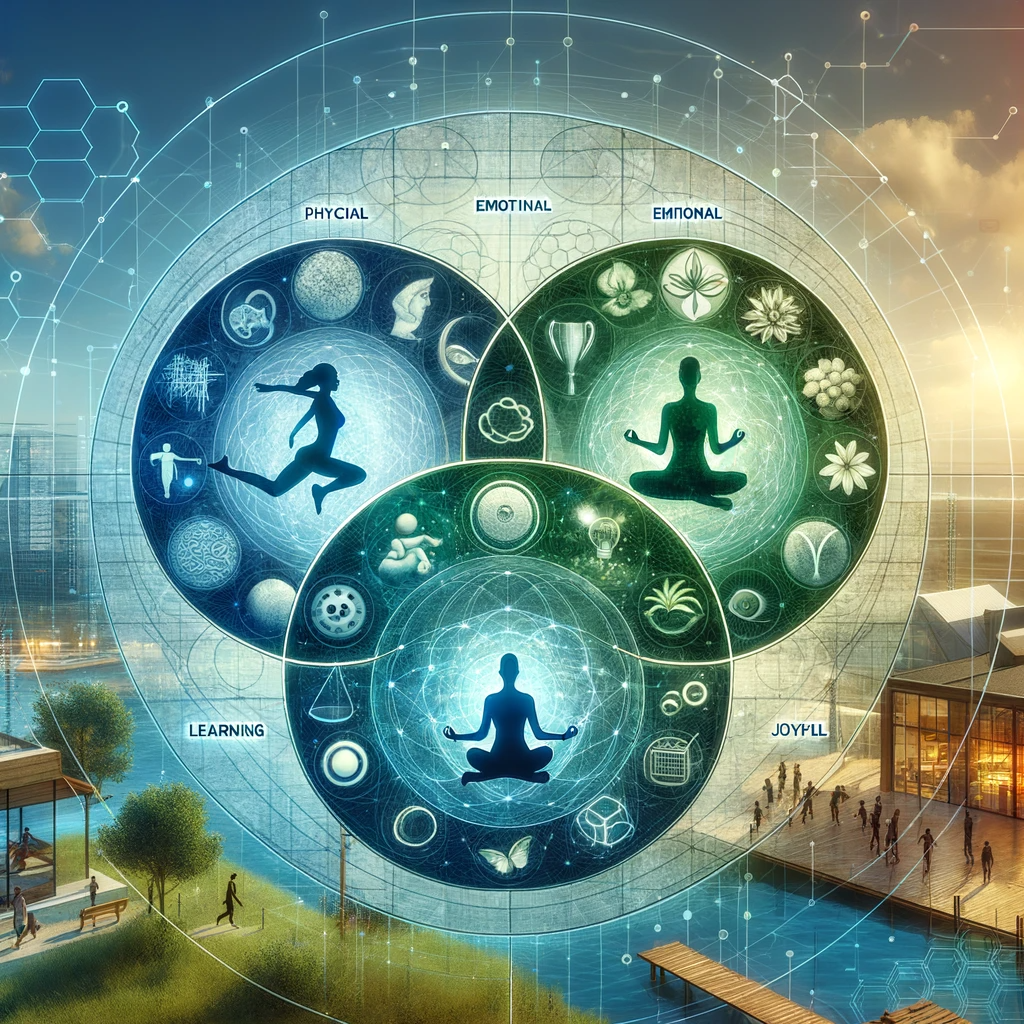
organicjuicebardc.com – In the grand tapestry of human existence, health stands as the most precious of threads, weaving through the fabric of our lives, influencing every aspect of our being. The journey towards wellness, much like an odyssey, is a complex and multifaceted exploration, filled with challenges, revelations, and transformations. This article embarks on a narrative exploration of the various paths that lead to the coveted state of well-being, illuminating the diverse strategies and philosophies that contribute to a holistic understanding of health.
The Ancient Wisdom: Traditional Medicine
Our odyssey begins with the ancient wisdom of traditional medicine, a treasure trove of knowledge passed down through generations. From the herbal remedies of Ayurveda to the acupuncture of Traditional Chinese Medicine, these practices offer a profound connection to nature and the body’s innate healing abilities. They remind us that health is not merely the absence of disease but a state of complete physical, mental, and social well-being.
The Modern Quest: Scientific Advancements
As we navigate the labyrinth of modernity, scientific advancements in medicine and technology emerge as beacons of hope and progress. The development of vaccines, the marvels of genetic engineering, and the precision of surgical techniques represent the pinnacle of human ingenuity in the pursuit of health. Yet, this path teaches us the importance of balance, cautioning against the over-reliance on technology and the potential side effects of rapid innovation.
The Inner Journey: Mindfulness and Mental Health
No exploration of wellness would be complete without delving into the realm of the mind. Mindfulness practices, such as meditation and yoga, offer tools for managing stress, enhancing emotional well-being, and fostering a deeper connection with oneself. Mental health, once a taboo subject, has emerged as a critical component of overall well-being, urging us to acknowledge our vulnerabilities and seek support when needed.
The Social Landscape: Community and Connection
Health is not a solitary endeavor but a communal responsibility. The path of community and connection highlights the importance of social support networks, advocating for policies that promote public health, and engaging in collective efforts to improve the well-being of all. This journey teaches us the value of empathy, solidarity, and the shared human experience.
The Environmental Odyssey: Sustainability and Wellness
As we expand our vision to encompass the planet, the environmental odyssey reveals the inextricable link between human health and the health of our ecosystems. From the air we breathe to the food we consume, every aspect of our environment impacts our well-being. This path calls for sustainable practices, conservation efforts, and a lifestyle that respects and preserves the natural world for future generations.
The Culinary Quest: Nutrition and Wellness
The culinary quest is a delightful journey through the world of nutrition, where food is not just sustenance but a source of pleasure, culture, and health. From the antioxidants in berries to the omega-3 fatty acids in fish, every ingredient offers a piece of the wellness puzzle. This path encourages us to savor our meals, explore new flavors, and nourish our bodies with a diverse and balanced diet.
The Final Destination: A Holistic Approach
As our odyssey draws to a close, we arrive at the realization that no single path holds the ultimate answer to wellness. Instead, it is the integration of these diverse approaches that leads to a holistic understanding of health. This final destination teaches us the importance of balance, adaptability, and the continuous pursuit of knowledge and self-improvement.
In the end, the health odyssey is a personal journey, unique to each individual. It is a quest for balance, a celebration of diversity, and a commitment to the ongoing exploration of what it means to live well. As we navigate the complex landscape of wellness, let us remain curious, open-minded, and dedicated to the paths that lead us to a healthier, happier life.