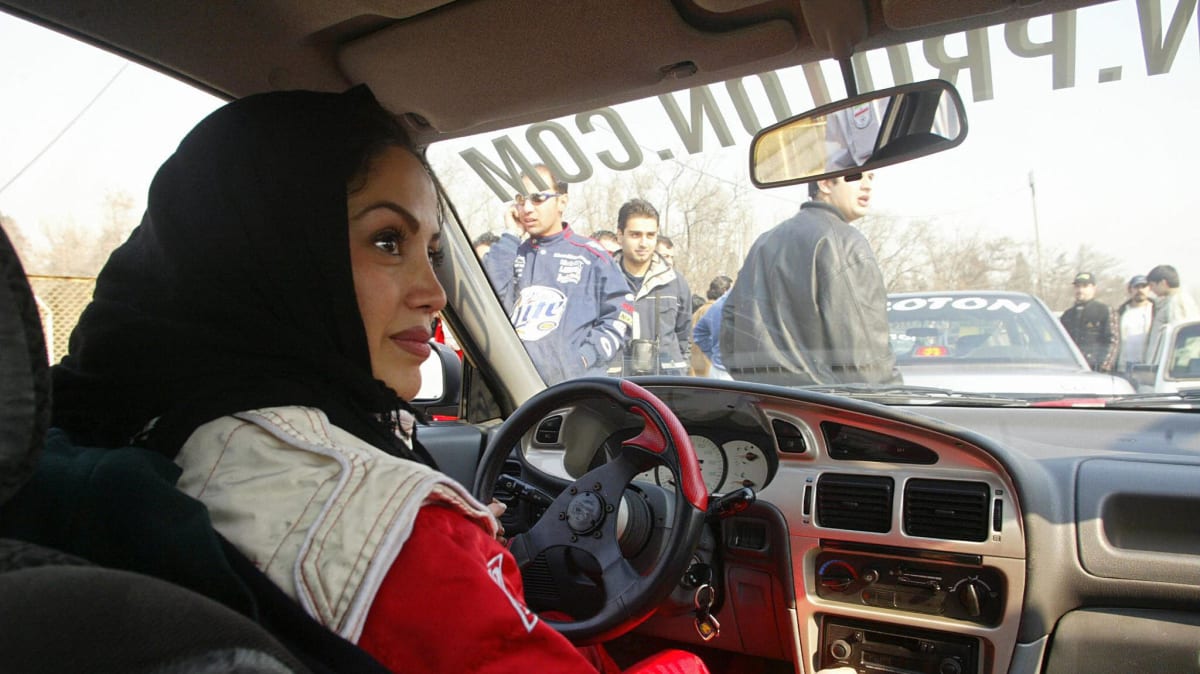
The Trailblazing Women in Motorsport: Fast and Fierce

organicjuicebardc.com – The roar of engines, the screech of tires, and the thrill of high-speed competition have long been associated with the male-dominated world of motorsport. However, amidst the testosterone-fueled environment, a group of determined women has been carving out their space on the track, proving that speed and skill know no gender. These trailblazers are not just breaking barriers; they are redefining what it means to be a racer. This article delves into the world of fast and fierce women in motorsport, celebrating their achievements and the impact they have on the sport.

The Pioneers:
The history of women in motorsport is as old as the sport itself. Names like Hellé Nice, Maria Teresa de Filippis, and Pat Moss are etched in the annals of racing history. These pioneers faced not just the challenges of high-speed racing but also societal norms that questioned their place on the track. Despite the odds, they raced, competed, and inspired generations to follow.

Modern Trailblazers:
Today, the motorsport landscape is more inclusive, thanks to the efforts of modern trailblazers. Danica Patrick made history in the United States as the most successful woman in the history of American open-wheel racing and the only woman to win an IndyCar Series race. Simona de Silvestro, Susie Wolff, and Michelle Mouton have also left indelible marks on the sport, pushing the boundaries and proving that women can compete at the highest levels.

Breaking Barriers:
The journey for women in motorsport has been fraught with challenges, from securing sponsorships to overcoming stereotypes. However, these barriers have not deterred the determined racers. Instead, they have used these obstacles as stepping stones to greater success. The presence of women in Formula 1, NASCAR, IndyCar, and other prestigious racing series is no longer a novelty but a testament to their skill and dedication.

Empowering the Next Generation:
The success of women in motorsport is not just about individual achievements; it’s about paving the way for future generations. Initiatives like the W Series, a racing championship for women drivers, aim to provide a platform for female racers to showcase their talents and compete on a level playing field. These efforts are crucial in nurturing the next wave of female racers and ensuring that motorsport is inclusive and accessible to all.

The Impact:
The impact of women in motorsport extends beyond the track. They are role models for young girls and boys, demonstrating that passion, hard work, and determination can overcome any obstacle. Their presence in the sport challenges gender stereotypes and encourages diversity and inclusion in all areas of motorsport.

Conclusion:
The women of motorsport are more than just racers; they are pioneers, trailblazers, and champions. Their journey is a testament to their resilience, skill, and the transformative power of sport. As the motorsport world continues to evolve, the legacy of these fast and fierce women will inspire future generations to push the limits, break barriers, and embrace the thrill of the race. Their story is not just about speed; it’s about breaking down walls and proving that on the track, as in life, anything is possible.

Fans and Festivities: The World Cup’s Cultural Tapestry

organicjuicebardc.com – The FIFA World Cup, often simply called the World Cup, is more than just a football tournament; it is a global cultural phenomenon that weaves together the diverse tapestry of human cultures, traditions, and passions. Every four years, the world’s attention turns to this spectacular event, where the beautiful game of football becomes the universal language that transcends borders, languages, and cultures. The World Cup is not only about the 90 minutes of play on the pitch but also about the fans and the festivities that surround the tournament, creating a cultural spectacle that is unparalleled in the world of sports.

The Global Stage

The World Cup is the most widely viewed and followed sporting event in the world, bringing together nations from all corners of the globe. Each participating country brings with it a unique cultural identity, expressed through its fans, who travel to the host nation in a vibrant display of colors, costumes, and customs. The tournament becomes a melting pot of cultures, where traditions from different parts of the world intersect and interact, creating a rich cultural tapestry.

Fans: The Heartbeat of the World Cup

The fans are the lifeblood of the World Cup. They come in all shapes and sizes, from the die-hard supporters who follow their teams across continents to the casual viewers who tune in for the spectacle. The passion and dedication of the fans are palpable, with chants, songs, and dances that fill the air, turning the host cities into a cacophony of cultural expressions.

Fan zones, set up in cities hosting matches, become the epicenter of these festivities. These public spaces, often located near stadiums or in city centers, are open to all, offering a place to watch games on large screens, enjoy food and drinks, and partake in various activities. Fan zones are a microcosm of the World Cup’s cultural tapestry, where people from different backgrounds come together, sharing their love for football and their cultural heritage.

Festivities: A Celebration of Diversity

The festivities surrounding the World Cup are a celebration of diversity. Each country brings its own traditions to the table, from the Brazilian samba to the Scottish bagpipes, from the Argentine barbecues to the Japanese sake. The tournament becomes a platform for showcasing these traditions, allowing fans and visitors to experience the richness of global cultures.

Music plays a significant role in the festivities, with official songs and anthems that capture the spirit of the tournament. These songs, often featuring artists from the host country or international stars, become anthems of unity, bringing people together in song and dance.

The Cultural Exchange

The World Cup is also a time for cultural exchange. Fans learn from each other, sharing stories, food, and customs. This exchange fosters understanding and friendship, breaking down barriers and stereotypes. The tournament becomes a classroom of sorts, where the world’s cultures are on full display, offering lessons in diversity and inclusivity.

Conclusion

The World Cup’s cultural tapestry is a testament to the power of sports to bring people together. It is a celebration of diversity, a showcase of cultures, and a platform for unity. The fans and festivities that surround the tournament are as much a part of the World Cup experience as the matches themselves, creating memories that last a lifetime. As the world continues to grow smaller, events like the World Cup remind us of the richness of our cultural diversity and the universal language of football that unites us all.