Breanna Stewart: Limited Participation In Women’s Basketball

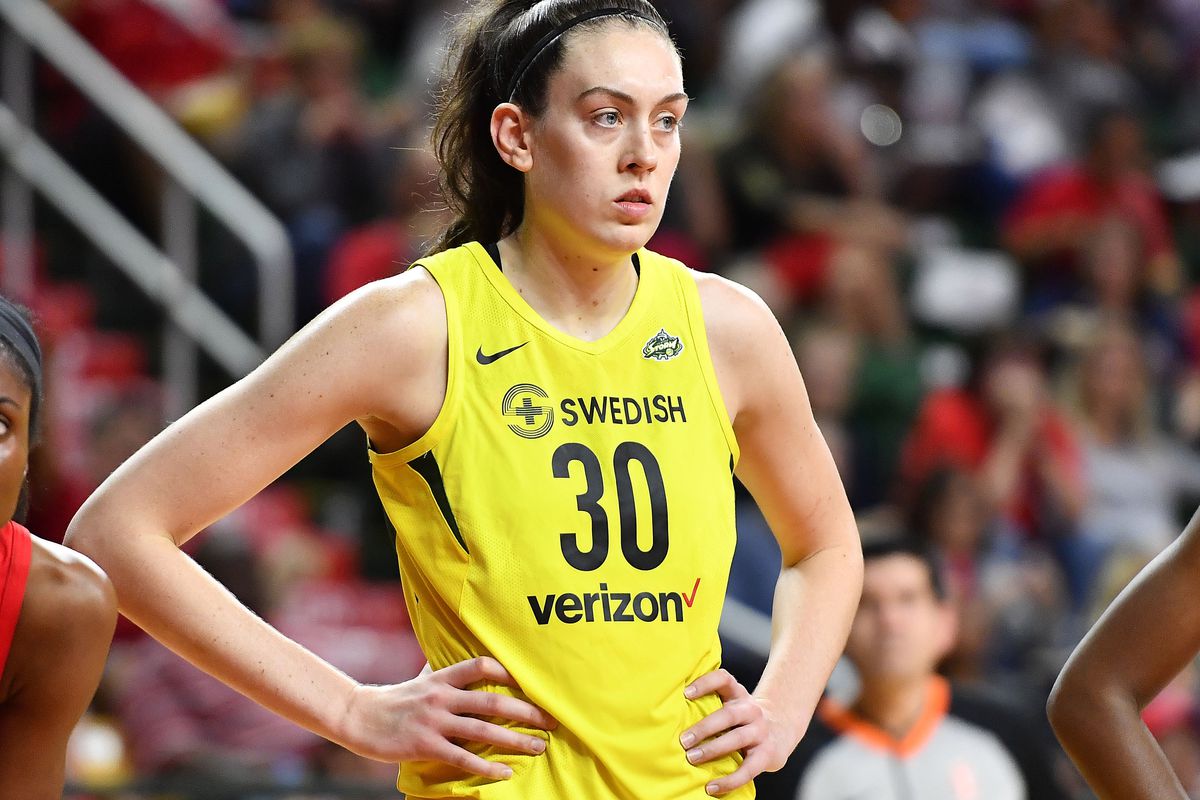
organicjuicebardc.com – Breanna Stewart, often hailed as one of the greatest women’s basketball players of her generation, has left an indelible mark on the sport with her remarkable talent, tenacity, and leadership. Born on August 27, 1994, in Syracuse, New York, Stewart’s journey from a high school phenom to a professional powerhouse has been nothing short of extraordinary.

Early Career and College Dominance

Stewart’s basketball prowess was evident from a young age. She attended Cicero-North Syracuse High School, where she was named a McDonald’s All-American and Gatorade National Player of the Year. Her decision to play college basketball at the University of Connecticut (UConn) set the stage for an unprecedented run of success.

At UConn, Stewart was a four-time All-American and the NCAA Tournament Most Outstanding Player in 2013, 2014, and 2016. She helped lead the Huskies to four consecutive national championships from 2013 to 2016, a feat unmatched in Division I women’s basketball. Stewart’s college career was a testament to her versatility, scoring ability, and defensive prowess, earning her the Naismith College Player of the Year award in 2016.

Professional Success and Impact

Upon graduating from UConn, Stewart was selected first overall in the 2016 WNBA Draft by the Seattle Storm. Her transition to the professional ranks was seamless, as she quickly established herself as one of the league’s premier players. In her rookie season, Stewart was named the WNBA Rookie of the Year and led the Storm to the playoffs.

Stewart’s impact on the WNBA has been profound. She has been named to the All-WNBA Team multiple times and has been a key player in leading the Seattle Storm to WNBA championships in 2018 and 2020. Her performance in the 2018 Finals, where she was named MVP, was a showcase of her dominance, averaging 25.7 points, 6.0 rebounds, and 3.7 assists per game.

Off the Court Influence

Beyond her on-court achievements, Stewart is an advocate for women’s rights and equality in sports. She has been vocal about the need for better pay and working conditions in the WNBA and has used her platform to support various social justice causes. Stewart’s commitment to making a positive impact off the court is as impressive as her skills on it.

Legacy and Future

As Breanna Stewart continues to dominate women’s basketball, her legacy is already cemented as one of the game’s greatest. Her combination of skill, work ethic, and leadership has inspired a generation of young athletes. Looking ahead, Stewart’s goals are clear: to continue winning championships, break records, and use her influence to elevate women’s basketball to new heights.

Breanna Stewart’s journey from a high school standout to a WNBA superstar is a story of dedication, talent, and perseverance. Her impact on the game, both on and off the court, is undeniable, and her legacy will undoubtedly inspire future generations of basketball players. As she continues to redefine what it means to be a force in women’s basketball, one thing is certain: Breanna Stewart is a name that will be remembered for generations to come.
The Trailblazing Women in Motorsport: Fast and Fierce

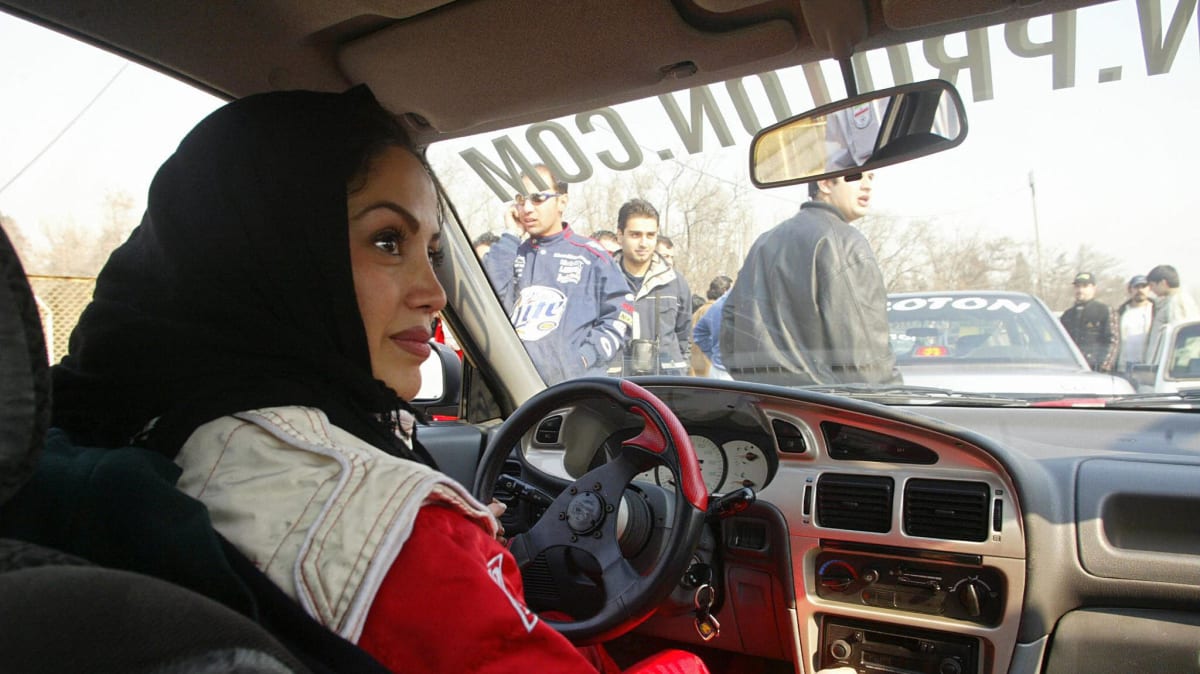
organicjuicebardc.com – The roar of engines, the screech of tires, and the thrill of high-speed competition have long been associated with the male-dominated world of motorsport. However, amidst the testosterone-fueled environment, a group of determined women has been carving out their space on the track, proving that speed and skill know no gender. These trailblazers are not just breaking barriers; they are redefining what it means to be a racer. This article delves into the world of fast and fierce women in motorsport, celebrating their achievements and the impact they have on the sport.

The Pioneers:
The history of women in motorsport is as old as the sport itself. Names like Hellé Nice, Maria Teresa de Filippis, and Pat Moss are etched in the annals of racing history. These pioneers faced not just the challenges of high-speed racing but also societal norms that questioned their place on the track. Despite the odds, they raced, competed, and inspired generations to follow.

Modern Trailblazers:
Today, the motorsport landscape is more inclusive, thanks to the efforts of modern trailblazers. Danica Patrick made history in the United States as the most successful woman in the history of American open-wheel racing and the only woman to win an IndyCar Series race. Simona de Silvestro, Susie Wolff, and Michelle Mouton have also left indelible marks on the sport, pushing the boundaries and proving that women can compete at the highest levels.

Breaking Barriers:
The journey for women in motorsport has been fraught with challenges, from securing sponsorships to overcoming stereotypes. However, these barriers have not deterred the determined racers. Instead, they have used these obstacles as stepping stones to greater success. The presence of women in Formula 1, NASCAR, IndyCar, and other prestigious racing series is no longer a novelty but a testament to their skill and dedication.

Empowering the Next Generation:
The success of women in motorsport is not just about individual achievements; it’s about paving the way for future generations. Initiatives like the W Series, a racing championship for women drivers, aim to provide a platform for female racers to showcase their talents and compete on a level playing field. These efforts are crucial in nurturing the next wave of female racers and ensuring that motorsport is inclusive and accessible to all.

The Impact:
The impact of women in motorsport extends beyond the track. They are role models for young girls and boys, demonstrating that passion, hard work, and determination can overcome any obstacle. Their presence in the sport challenges gender stereotypes and encourages diversity and inclusion in all areas of motorsport.

Conclusion:
The women of motorsport are more than just racers; they are pioneers, trailblazers, and champions. Their journey is a testament to their resilience, skill, and the transformative power of sport. As the motorsport world continues to evolve, the legacy of these fast and fierce women will inspire future generations to push the limits, break barriers, and embrace the thrill of the race. Their story is not just about speed; it’s about breaking down walls and proving that on the track, as in life, anything is possible.

Dark Charm: An Exploration of Femme Fatale Archetypes

organicjuicebardc.com – In the shadowy corners of literature, film, and art, a figure emerges, captivating and perilous, embodying the essence of the femme fatale. This archetype, the dangerous woman, has long fascinated and intrigued audiences, her allure as potent as it is perilous. She is the siren whose song lures sailors to their doom, the spider woman weaving webs of seduction and destruction. The dark charm of dangerous women lies in their complexity, their defiance of societal norms, and their unapologetic embrace of power and desire.

The femme fatale, or “fatal woman,” is a character who uses her feminine wiles to control and dominate her partners, often leading them into compromising, dangerous, or deadly situations. This archetype is not new; it has roots in ancient mythology and literature, from the treacherous Circe of Greek mythology to the biblical Delilah, who brought down Samson with a kiss. Throughout history, these women have been both reviled and revered, feared and desired.

In the 20th century, the dangerous woman found her most iconic form in film noir. These films, with their shadowy cinematography and complex narratives, provided the perfect backdrop for the femme fatale to flourish. Characters like Phyllis Dietrichson in “Double Indemnity” and Kathie Moffat in “Out of the Past” became archetypes of the genre, embodying a dangerous sexuality and a moral ambiguity that both enticed and warned.

The allure of the dangerous woman lies in her transgression of societal norms. She is the antithesis of the passive, nurturing female ideal. Instead, she is active, assertive, and in control of her desires. This defiance of traditional gender roles is both thrilling and threatening to the patriarchal status quo. Her independence and strength challenge the male characters around her, often leading to their downfall.

But the dangerous woman is not merely a male fantasy or a cautionary tale. She is a complex figure who embodies the contradictions of female power and desire. She represents the dark side of femininity, the knowledge that women, too, can be agents of their own destiny, even if that means navigating the murky waters of morality and ethics.

The dark charm of dangerous women also lies in their mystery. They are enigmas, their motivations often opaque. This mystery adds to their allure, as the audience is drawn into their web, trying to unravel the secrets that lie beneath the surface. It is this complexity that makes them compelling characters, capable of eliciting a range of emotions from fascination to fear.

In contemporary culture, the archetype of the dangerous woman has evolved but remains potent. Figures like Amy Dunne in “Gone Girl” or Villanelle in “Killing Eve” represent modern iterations of the femme fatale, updated for a new era but still embodying the same dark charm. These characters are more than just dangerous; they are intelligent, resourceful, and deeply flawed, making them all the more compelling.

The dangerous woman, in all her forms, continues to captivate our imagination. She is a reminder of the complexity of female desire and power, and the thin line that often separates love from destruction. Her dark charm lies in her refusal to be confined by societal expectations, her willingness to embrace her own agency, and her ability to navigate the treacherous waters of desire and morality with a grace that is both terrifying and exhilarating.

In conclusion, the dangerous woman is more than just a character archetype; she is a symbol of the complexities of female power and desire. Her dark charm lies in her ability to defy expectations, to embody the contradictions of femininity, and to navigate the murky waters of morality with a confidence that is both thrilling and terrifying. As long as we continue to be fascinated by the edges of desire and the boundaries of power, the dangerous woman will continue to captivate and intrigue us, a siren song of seduction and danger that we cannot resist.

Supporting Women in Crisis: Empowering the Oppressed

In a world where gender inequality remains a persistent issue, the plight of women in crisis is a pressing concern that demands our attention and action. Whether it’s the result of domestic violence, economic hardship, political unrest, or health emergencies, women are often the most vulnerable and hardest hit. Empowering these women is not just a moral imperative but a strategic investment in the resilience and progress of communities and nations. This article explores the multifaceted approach needed to support women in crisis and the transformative impact of such support.

Understanding the Crisis

Before we can empower women in crisis, we must first understand the nature of their struggles. Women in crisis often face a complex web of challenges that can include physical and emotional abuse, lack of access to education and healthcare, economic disempowerment, and social stigmatization. These challenges are exacerbated by systemic inequalities and cultural norms that perpetuate gender discrimination.

The Importance of Support

Support for women in crisis is crucial for several reasons. First and foremost, it is a matter of human rights. Every woman has the right to live free from violence and discrimination. Support also has a ripple effect; when women are empowered, their families and communities benefit. Empowered women are more likely to invest in the education and health of their children, contributing to a more educated and healthier society.

Multifaceted Support Strategies

Empowering women in crisis requires a comprehensive approach that addresses their immediate needs while also paving the way for long-term empowerment.

1. Safety and Protection

The first step in supporting women in crisis is ensuring their safety. This can involve providing shelter, legal aid, and counseling services to those affected by domestic violence or other forms of abuse. It also means advocating for stronger laws and policies that protect women’s rights and hold perpetrators accountable.

2. Economic Empowerment

Economic independence is a cornerstone of empowerment. Supporting women in crisis often involves providing them with access to financial resources, job training, and entrepreneurship programs. Microloans and cooperatives can be particularly effective in enabling women to start their own businesses and become financially self-sufficient.

3. Education and Health

Education is a powerful tool for empowerment. Providing women with access to education, including literacy programs and vocational training, can open up new opportunities and pathways to a better life. Similarly, ensuring access to healthcare, including reproductive health services, is essential for the well-being and empowerment of women.

4. Psychosocial Support

The emotional toll of crisis situations cannot be underestimated. Providing psychosocial support through counseling, support groups, and community-based interventions can help women heal from trauma and build resilience.

5. Advocacy and Awareness

Changing the narrative around gender roles and expectations is crucial for empowering women in the long term. Advocacy campaigns, awareness-raising initiatives, and education programs can challenge harmful stereotypes and promote gender equality.

The Transformative Impact

Supporting women in crisis is not just about addressing immediate needs; it’s about creating a ripple effect of change that transforms communities and societies. Empowered women are agents of change who can break the cycle of poverty and violence, educate the next generation, and contribute to economic growth and social stability.

Conclusion

Empowering women in crisis is a complex and challenging endeavor, but it is also one of the most rewarding. By providing support that addresses the multifaceted nature of their struggles, we can help women overcome adversity and become empowered to shape their own futures. This is not just about helping individuals; it’s about building a more equitable, prosperous, and peaceful world for all. Let us stand together in solidarity with women in crisis, supporting them with the resources, opportunities, and respect they deserve.

The Future is Women: Young Female Making a Difference

In a world where gender equality continues to be a pressing issue, young women are stepping up and making significant strides in various fields. Their contributions are not only reshaping industries but also inspiring generations to come. This article explores the remarkable achievements of young women who are changing the world and the factors driving their success.

Breaking Barriers in STEM

One of the most notable areas where young women are making a difference is in Science, Technology, Engineering, and Mathematics (STEM). Historically dominated by men, STEM fields are now seeing an influx of passionate and talented young women. Organizations like Girls Who Code and initiatives like STEMinist are playing a crucial role in encouraging young women to pursue STEM careers.

Case Study: Sabrina Gonzalez Pasterski

Sabrina Gonzalez Pasterski, a physicist from the United States, has been making waves in the world of theoretical physics. At just 14 years old, she built her own single-engine airplane. Now, as a graduate from MIT and a PhD candidate at Harvard, her research in high-energy physics has earned her recognition from renowned physicists worldwide.

Leading Social Change

Young women are also at the forefront of social change, advocating for human rights, environmental sustainability, and gender equality. They are leveraging social media and other platforms to spread awareness and mobilize communities.

Case Study: Malala Yousafzai

Malala Yousafzai, a Pakistani activist for female education and the youngest Nobel Prize laureate, became a global symbol of the fight for girls’ education. Despite being attacked by the Taliban, Malala continued her advocacy, founding the Malala Fund, which works to ensure 12 years of free, safe, and quality education for girls all over the world.

Innovating in Business

In the business world, young female entrepreneurs are breaking new ground with innovative startups and companies that address unique challenges. They are not only creating economic value but also prioritizing social impact.

Case Study: Whitney Wolfe Herd

Whitney Wolfe Herd, the founder and CEO of Bumble, a dating app where women make the first move, has revolutionized the online dating industry. Under her leadership, Bumble has expanded into a social networking platform, empowering women to make connections in love, friendship, and business.

Overcoming Challenges

Despite their successes, young women still face significant challenges, including gender bias, lack of representation, and limited access to resources. However, their resilience and determination continue to drive them forward.

Case Study: Greta Thunberg

Greta Thunberg, a Swedish environmental activist, has become the face of the youth climate movement. Starting with a solitary school strike for climate outside the Swedish parliament, Greta’s activism has inspired millions of young people worldwide to demand urgent action on climate change. Her powerful speeches and unwavering commitment have made her a prominent figure in global environmental advocacy.

The Role of Mentorship and Support

Mentorship and support networks play a crucial role in the success of young women. Programs that provide mentorship, funding, and educational opportunities are essential in helping them overcome barriers and achieve their goals.

Example: The Role of Mentors

Organizations like Lean In and She Leads Africa offer mentorship programs that connect young women with experienced professionals. These programs provide guidance, support, and networking opportunities, helping young women navigate their careers and personal development.

Conclusion

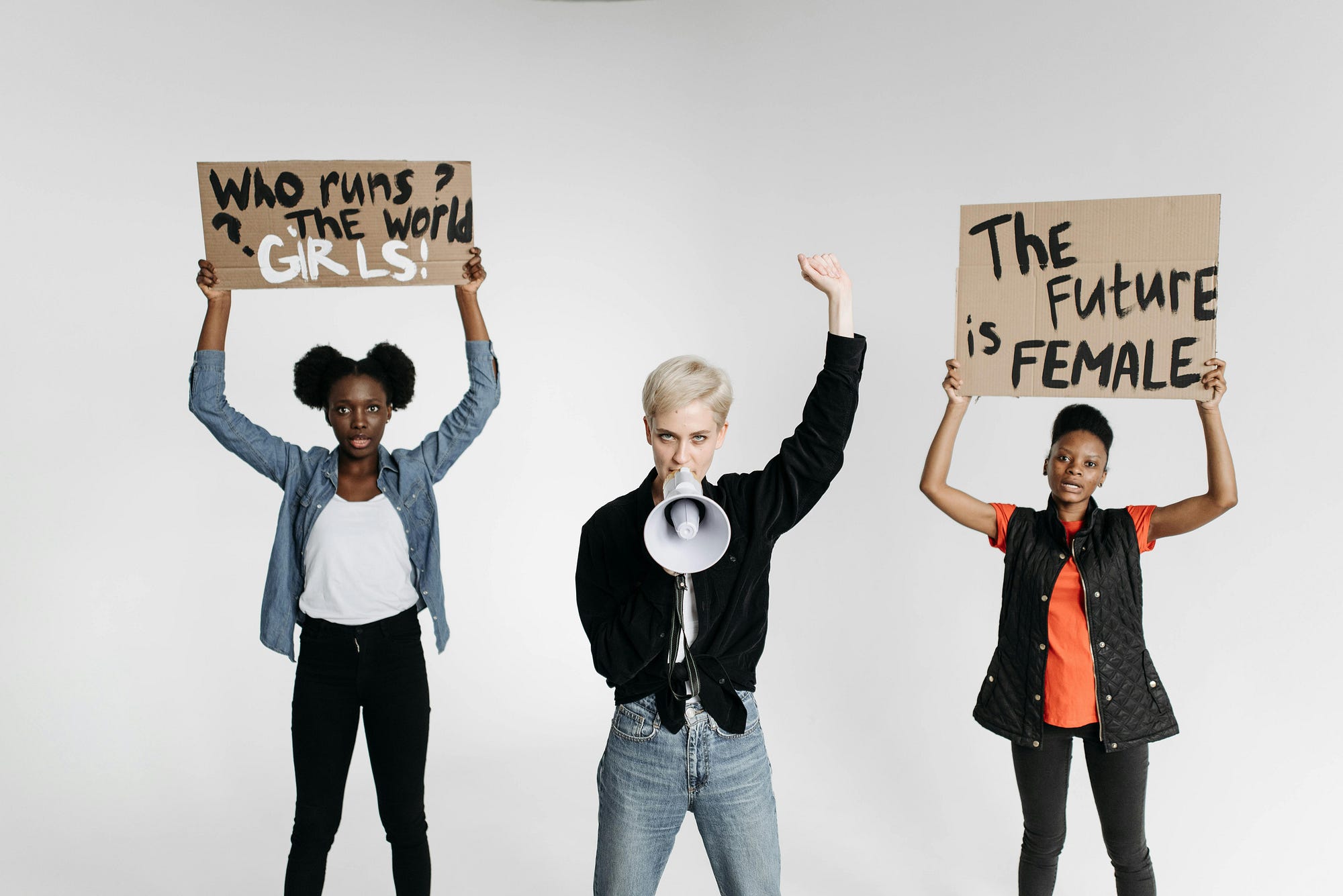
The future is undoubtedly female, and young women are at the helm of this transformation. Their achievements in STEM, social change, business, and beyond are paving the way for a more inclusive and equitable world. As we continue to support and celebrate their contributions, it is clear that the impact of young women will only grow, shaping a brighter future for all.

The stories of Sabrina Gonzalez Pasterski, Malala Yousafzai, Whitney Wolfe Herd, and Greta Thunberg are just a few examples of the countless young women making a difference. Their courage, innovation, and leadership serve as a powerful reminder that the future is indeed female.