Kepribadian Unik Anjing Corgi: Mengapa Mereka Begitu Digemari?

Link Slot : slot depo 5k

Anjing Corgi, dengan tubuh pendek, kaki kecil, dan wajah menggemaskan, telah menjadi salah satu ras anjing yang paling populer di dunia. Popularitasnya bukan hanya karena penampilannya yang lucu, tetapi juga karena kepribadian uniknya yang membuatnya menjadi teman yang luar biasa bagi banyak orang. Kepribadian ceria, cerdas, dan penuh kasih sayang menjadikan Corgi pilihan yang sempurna bagi keluarga, pasangan, atau siapa saja yang menginginkan sahabat berbulu yang menyenangkan. Tetapi apa sebenarnya yang membuat Corgi begitu digemari?

1. Ceria dan Penuh Energi

Salah satu ciri khas yang paling menonjol dari Corgi adalah kepribadiannya yang ceria dan penuh energi. Anjing ini selalu tampak bahagia dan siap bermain kapan saja, menjadikannya teman yang sempurna untuk keluarga yang aktif. Meskipun mereka memiliki tubuh kecil, mereka sangat energik dan senang berlari-lari, bermain, atau berjalan-jalan. Sifat mereka yang energik membuat mereka tidak pernah membosankan dan selalu memberikan keceriaan di sekitar mereka.

2. Cerdas dan Mudah Dilatih

Corgi adalah anjing yang sangat cerdas dan cepat belajar. Mereka sangat terampil dalam mengikuti perintah, yang membuatnya menjadi pilihan yang baik untuk pemilik yang ingin melatih anjing mereka. Selain itu, mereka sangat responsif terhadap pelatihan positif, dan banyak pemilik melaporkan bahwa Corgi mereka bisa belajar trik-trik baru dengan cepat. Kecerdasannya juga membuat mereka mudah beradaptasi dengan berbagai situasi dan lingkungan, menjadikan mereka teman yang sangat fleksibel dan menyenangkan.

3. Sifat Sosial dan Menyukai Perhatian

Corgi sangat suka bersosialisasi dan selalu ingin menjadi pusat perhatian. Mereka dikenal sangat ramah, baik dengan anggota keluarga maupun orang asing. Mereka mudah bergaul dengan anak-anak, hewan peliharaan lainnya, dan bahkan tamu yang datang ke rumah. Karena sifat sosial mereka, Corgi akan selalu mencari perhatian dan kasih sayang dari pemiliknya, sering kali membuat mereka merasa seperti anggota keluarga yang tak terpisahkan.

4. Setia dan Pelindung

Meskipun tubuhnya kecil, Corgi memiliki insting pelindung yang kuat. Mereka sangat setia kepada pemiliknya dan akan selalu berusaha melindungi keluarga mereka jika merasa ada bahaya. Corgi memiliki suara gonggongan yang cukup keras dan sering kali akan memperingatkan pemilik mereka tentang sesuatu yang mencurigakan. Kesetiaannya menjadikannya anjing pelindung yang baik sekaligus teman yang penuh kasih sayang.

5. Ekspresif dan Penuh Karakter

Kepribadian Corgi yang unik juga terlihat pada ekspresi wajah mereka yang lucu dan penuh karakter. Mereka dapat menunjukkan berbagai macam emosi hanya dengan tampilan wajahnya—mulai dari kegembiraan, rasa penasaran, hingga rasa tidak suka. Ekspresi mereka yang beragam sering kali membuat pemilik tertawa dan semakin mencintai mereka. Tentu saja, ini adalah salah satu alasan mengapa Corgi menjadi bintang di media sosial dengan foto-foto dan video mereka yang lucu dan menggemaskan.

6. Sifat Mandiri namun Butuh Kasih Sayang

Meskipun Corgi sangat cerdas dan dapat cukup mandiri, mereka tetap membutuhkan perhatian dan kasih sayang dari pemiliknya. Mereka tidak suka ditinggalkan sendirian terlalu lama dan bisa merasa kesepian jika terisolasi. Namun, mereka tahu bagaimana menghibur diri mereka sendiri dengan bermain atau berkeliling rumah. Corgi juga sangat menghargai waktu bersama pemiliknya dan akan selalu siap untuk duduk di samping mereka atau bermain bersama.

7. Kompatibilitas dengan Keluarga dan Anak-Anak

Corgi sangat cocok dengan keluarga, terutama mereka yang memiliki anak-anak. Anjing ini suka berinteraksi dengan anak-anak, bermain, dan bahkan melindungi mereka. Kepribadian mereka yang ramah, penuh energi, dan sabar menjadikan mereka sahabat yang baik bagi anak-anak. Karena mereka memiliki sifat sosial yang tinggi, mereka juga tidak canggung bertemu dengan orang baru, menjadikannya anjing keluarga yang ideal.

Corgi adalah anjing dengan kepribadian yang luar biasa: ceria, cerdas, setia, dan sangat sosial. Karakter mereka yang penuh energi dan kasih sayang menjadikannya sahabat yang sempurna bagi siapa saja yang ingin memiliki teman berbulu yang menyenangkan dan penuh perhatian. Tidak hanya penampilannya yang menggemaskan, tetapi sifat mereka yang menyenangkan dan adaptif membuat Corgi menjadi pilihan yang sangat populer di seluruh dunia. Jika Anda mencari anjing yang membawa kebahagiaan dan keceriaan, Corgi adalah pilihan yang tepat!


Lingkungan Hidup: Proyek Konservasi untuk Melindungi Satwa Langka

ORGANICJUICEBARDC – Lingkungan hidup yang sehat merupakan fondasi bagi keberlangsungan kehidupan di Bumi. Sayangnya, tekanan yang terus meningkat dari aktivitas manusia seperti deforestasi, perburuan liar, dan polusi telah menyebabkan penurunan drastis dalam jumlah populasi satwa liar, terutama spesies langka. Proyek konservasi menjadi langkah krusial dalam upaya melindungi dan memulihkan keberagaman hayati. Artikel ini akan membahas berbagai proyek konservasi yang bertujuan untuk melindungi satwa langka serta tantangan dan pencapaian yang telah diraih.

Mengapa Konservasi Satwa Langka Penting?

Satwa langka seringkali menjadi indikator kesehatan ekosistem mereka. Ketika populasi mereka menurun, ini bisa menjadi tanda adanya masalah lingkungan yang lebih besar, seperti perubahan iklim atau kerusakan habitat. Selain itu, banyak spesies langka memainkan peran penting dalam menjaga keseimbangan ekosistem. Kehilangan mereka dapat mengakibatkan dampak negatif yang meluas, mempengaruhi spesies lain serta keseluruhan ekosistem.

Proyek-Proyek Konservasi Terkenal

  1. Proyek Harimau Siberia Harimau Siberia, salah satu spesies harimau yang paling terancam punah, telah menjadi fokus utama proyek konservasi di Rusia dan China. Proyek ini melibatkan pemantauan satwa liar dengan teknologi pelacak, pengawasan ketat terhadap perburuan ilegal, dan restorasi habitat alami mereka. Upaya ini telah menunjukkan hasil positif dengan peningkatan jumlah populasi harimau Siberia dalam beberapa tahun terakhir.
  2. Program Konservasi Orangutan di Kalimantan dan Sumatra Orangutan adalah salah satu primata yang paling terancam punah akibat deforestasi dan perburuan. Program konservasi di Kalimantan dan Sumatra berfokus pada perlindungan habitat, rehabilitasi orangutan yang diselamatkan dari perdagangan ilegal, serta upaya pendidikan untuk mengurangi konflik antara manusia dan orangutan. Dengan dukungan dari berbagai organisasi non-pemerintah dan pemerintah, jumlah populasi orangutan mulai stabil.
  3. Proyek Konservasi Penyu Laut Penyu laut, terutama spesies seperti penyu hijau dan penyu belimbing, menghadapi ancaman dari perburuan, kerusakan habitat, dan polusi laut. Proyek konservasi di berbagai belahan dunia, seperti di Pantai Nasional Tortuguero di Kosta Rika dan Pulau Ujung Kulon di Indonesia, melibatkan perlindungan sarang penyu, pengawasan terhadap perdagangan produk penyu, dan upaya pembersihan pantai. Inisiatif ini telah membantu meningkatkan angka keberhasilan penyu bertelur dan menetas.
  4. Konservasi Badak Jawa Badak Jawa, dengan populasi yang sangat kecil dan terancam punah, menjadi fokus proyek konservasi di Taman Nasional Ujung Kulon, Indonesia. Proyek ini mencakup pemantauan kesehatan individu, pengendalian penyakit, dan pengelolaan habitat. Upaya konservasi ini penting untuk memastikan kelangsungan hidup spesies ini, yang merupakan salah satu dari lima spesies badak yang ada di dunia.

Tantangan dalam Konservasi Satwa Langka

Proyek konservasi sering menghadapi berbagai tantangan, antara lain:

  1. Keterbatasan Dana dan Sumber Daya Banyak proyek konservasi bergantung pada dana dari sumbangan dan hibah. Keterbatasan dana dapat membatasi cakupan dan efektivitas program konservasi.
  2. Konflik dengan Komunitas Lokal Dalam beberapa kasus, konservasi satwa langka dapat menyebabkan konflik dengan komunitas lokal yang bergantung pada sumber daya alam. Pendekatan yang inklusif dan edukatif diperlukan untuk mencapai solusi win-win.
  3. Perubahan Iklim Perubahan iklim global dapat mempengaruhi habitat satwa langka, menyebabkan pergeseran dalam ekosistem dan memperburuk kondisi lingkungan yang sudah kritis.
  4. Perburuan dan Perdagangan Ilegal Perburuan liar dan perdagangan ilegal satwa adalah ancaman besar yang memerlukan penegakan hukum yang ketat dan kerjasama internasional.

Kesimpulan

Proyek konservasi untuk melindungi satwa langka adalah langkah penting untuk menjaga keberagaman hayati dan kesehatan ekosistem kita. Dengan dukungan dari masyarakat, pemerintah, dan organisasi non-pemerintah, upaya konservasi dapat mengatasi tantangan dan menghasilkan hasil positif. Mengedukasi masyarakat tentang pentingnya perlindungan satwa dan melibatkan mereka dalam upaya konservasi adalah kunci untuk mencapai keberhasilan jangka panjang. Mari kita semua berperan aktif dalam menjaga kekayaan alam Bumi demi generasi yang akan datang.

Essential Tips for a Healthy Coat: Grooming Your Pet

organicjuicebardc.com – Maintaining a healthy coat is crucial for your pet’s overall well-being. Regular grooming not only keeps their fur looking shiny and clean but also helps prevent skin issues and strengthens the bond between you and your furry friend. Whether you have a dog, cat, or another type of pet, these essential grooming tips will ensure your pet’s coat remains in top condition.

1. Understand Your Pet’s Coat Type

Before you start grooming, it’s important to understand the type of coat your pet has. Different coat types require different grooming techniques and tools. For example, short-haired breeds may only need occasional brushing, while long-haired breeds may require daily brushing to prevent matting.

2. Choose the Right Grooming Tools

Selecting the appropriate grooming tools is key to effective pet grooming. For most pets, a slicker brush, a metal comb, and a de-shedding tool are essential. For pets with long hair, a detangling spray can be helpful. Always use tools with rounded edges to prevent skin irritation.

3. Establish a Grooming Routine

Consistency is crucial when it comes to grooming. Establish a routine that suits your pet’s needs. This could be daily brushing for long-haired pets or weekly brushing for short-haired ones. Regular grooming helps distribute natural oils, reduces shedding, and prevents hairballs in cats.

4. Bathe Your Pet Properly

Bathing your pet should be done using a pet-specific shampoo and conditioner. Avoid human products, as they can strip the natural oils from your pet’s coat. When bathing, be gentle and thorough, ensuring you rinse out all the shampoo to prevent skin irritation.

5. Trim Nails Regularly

Long nails can cause discomfort and affect your pet’s posture. Trim your pet’s nails regularly, using pet nail clippers or a nail grinder. Be careful not to cut too close to the quick, which is the sensitive area inside the nail containing blood vessels and nerves.

6. Clean Ears and Teeth

Ear and dental hygiene are often overlooked but are crucial for your pet’s health. Use a pet-safe ear cleaner to gently wipe the inside of your pet’s ears. For dental care, consider brushing your pet’s teeth with a pet-specific toothpaste or providing dental chews to help prevent tartar buildup.

7. Monitor for Skin Issues

Regular grooming allows you to monitor your pet’s skin for any signs of irritation, infection, or parasites. If you notice any redness, sores, or excessive scratching, consult your veterinarian. Early detection can prevent more serious health issues.

Conclusion

Grooming your pet is not just about keeping them looking good; it’s about ensuring their health and comfort. By understanding your pet’s coat type, using the right tools, establishing a grooming routine, and paying attention to their overall health, you can help your pet maintain a healthy coat. Remember, grooming is also a great opportunity to bond with your pet, making it a positive experience for both of you.

The World’s Most Impressive Land Animals: Majestic Mammals

organicjuicebardc.com – The animal kingdom is a tapestry of life, woven with the threads of countless species, each unique in its own right. Among these, mammals stand out as some of the most impressive creatures to grace our planet. With their diverse adaptations, complex behaviors, and often majestic appearances, these land animals have captured the imagination of humans for generations. From the towering giants that tread the savannas to the swift predators that rule the forests, here we explore some of the world’s most impressive land mammals.

African Elephant (Loxodonta africana)

The African elephant is the largest land animal on Earth, with males often weighing up to 6,000 kilograms (13,227 pounds) and reaching heights of 3.96 meters (13 feet) at the shoulder. These gentle giants are known for their intelligence, complex social structures, and the deep bonds they form within their family units. Their impressive tusks, used for digging and stripping bark from trees, are also a source of conflict, as they make the elephants targets for poaching.

Siberian Tiger (Panthera tigris altaica)

Also known as the Amur tiger, the Siberian tiger is the largest of all tiger subspecies and one of the most formidable predators in the world. With coats that can range from a light honey color to a dark brown, these tigers are perfectly camouflaged to stalk their prey in the dense forests of the Russian Far East. Their powerful build, coupled with their stealth and strength, makes them apex predators in their ecosystem.

Giraffe (Giraffa camelopardalis)

The giraffe is the tallest living terrestrial animal, with males reaching heights of up to 5.5 meters (18 feet). Their long necks and legs are adaptations that allow them to feed on leaves, buds, and branches of trees that other herbivores cannot reach. Giraffes have a unique method of communication, using sounds that are too low-frequency for humans to hear. Their elegant silhouette is an iconic symbol of the African savanna.

Grizzly Bear (Ursus arctos horribilis)

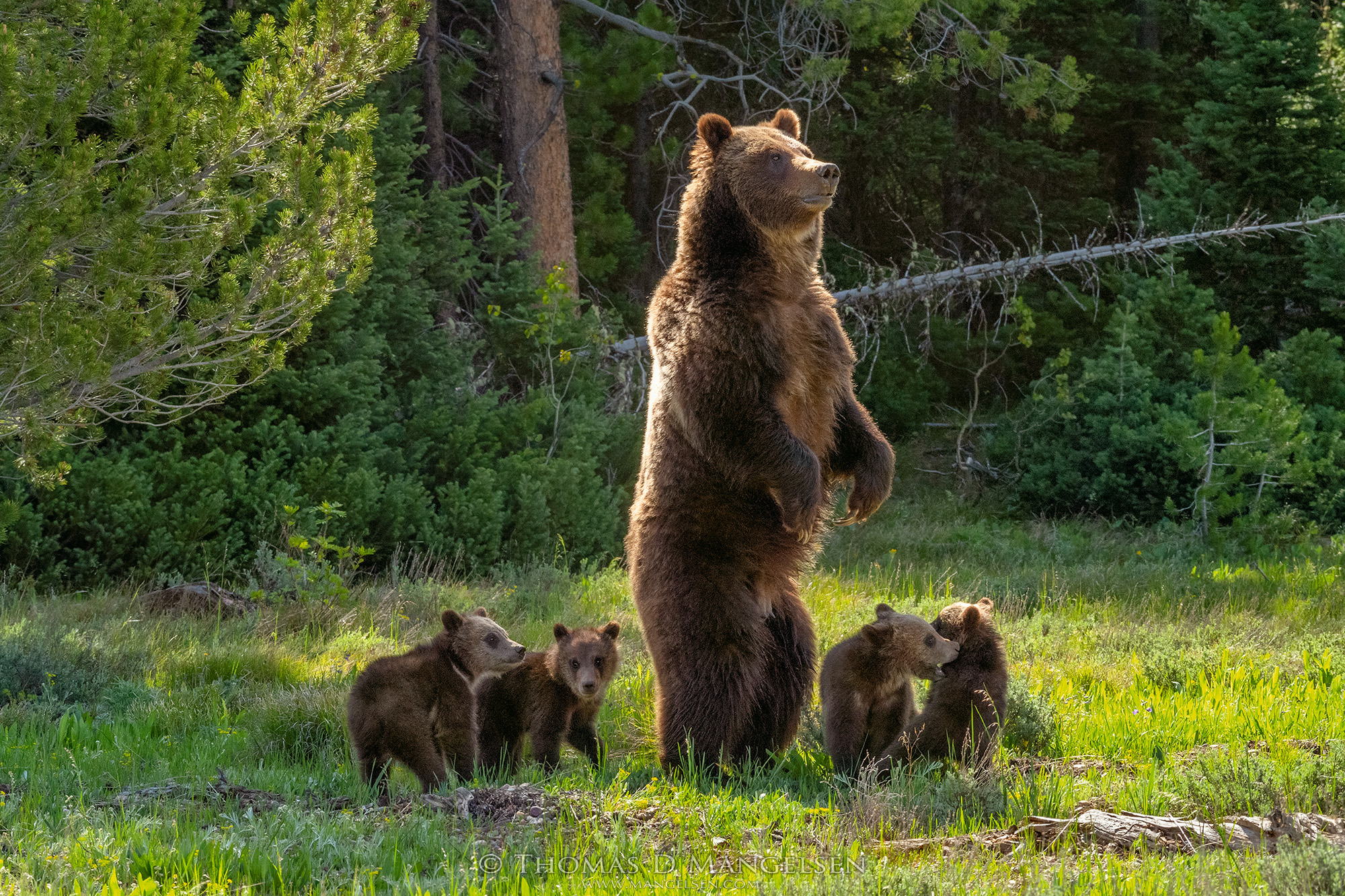
The grizzly bear, a subspecies of the brown bear, is a formidable presence in North America’s wilderness. Known for its muscular build, large shoulder hump, and distinctive grizzled fur, this bear is a top predator and an essential part of the ecosystems it inhabits. Grizzly bears are omnivorous, with a diet that includes fish, berries, and insects, and they play a crucial role in seed dispersal and nutrient cycling.

African Lion (Panthera leo)

The African lion, often referred to as the “king of the jungle” (despite living in grasslands rather than jungles), is a symbol of strength and courage. Lions are social animals, living in groups called prides, which consist of several adult females, their cubs, and a few adult males. They are apex predators, and their hunting strategies are a testament to their social intelligence and cooperation.

Kangaroo (Macropus spp.)

Native to Australia, kangaroos are marsupials known for their powerful hind legs, large feet, and strong tails, which allow them to hop at great speeds. They are herbivores and play a significant role in the ecology of their environment, influencing the structure and composition of plant communities. The red kangaroo is the largest of the kangaroo species and can reach up to 1.8 meters (6 feet) in height.

Polar Bear (Ursus maritimus)

The polar bear is the world’s largest land carnivore, with males weighing up to 650-1,000 kilograms (1,433-2,205 pounds). Adapted to life in the Arctic, these bears have a thick layer of fat and a water-repellent coat that keeps them warm in the frigid climate. They are skilled swimmers and hunt primarily seals, which are their main source of food.

Rhinoceros (Rhinocerotidae)

Rhinoceroses are massive herbivores with one or two horns on their snouts. There are five species of rhinos, found in Africa and Asia, each facing various threats, including habitat loss and poaching. The white rhinoceros is the largest, while the Sumatran and Javan rhinos are among the most endangered.

These majestic mammals are more than just impressive creatures; they are vital components of their ecosystems, playing key roles in maintaining biodiversity and ecological balance. However, many of these species face threats from habitat destruction, poaching, and climate change. Conservation efforts are crucial to protecting these magnificent animals and ensuring that future generations can marvel at their grandeur in the wild.

The Curious Monkeys: Smart Tree Climbing

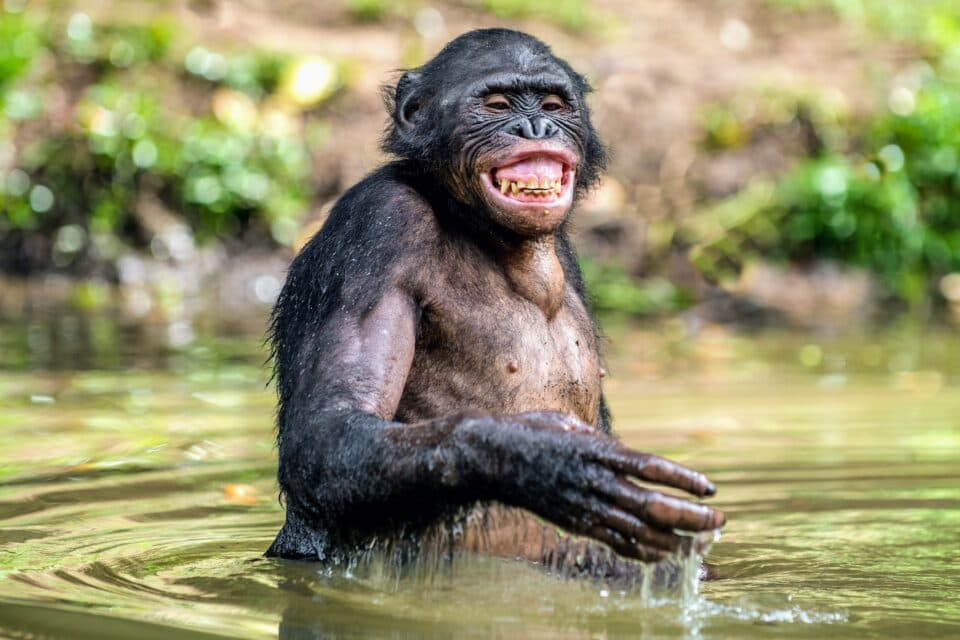
Monkeys, with their playful antics and expressive faces, have long captivated the imaginations of humans. Among these fascinating creatures, the curious monkey stands out as a particularly intelligent and agile member of the animal kingdom. Known for its clever climbing abilities and inquisitive nature, the curious monkey embodies a perfect blend of dexterity, intelligence, and curiosity.

The Natural Habitat

Curious monkeys are predominantly found in tropical and subtropical regions, where dense forests provide an ideal environment for their arboreal lifestyle. These monkeys are often seen swinging from branch to branch, using their strong limbs and prehensile tails to navigate through the canopy with ease. The lush greenery of the rainforest offers not only a playground for these agile climbers but also a rich source of food and shelter.

Anatomy of a Climber

The physical attributes of the curious monkey are finely tuned for life among the trees. Their long limbs and flexible joints allow for a wide range of motion, essential for climbing and leaping between branches. The presence of opposable thumbs and, in some species, prehensile tails, further enhances their grasping ability, making them adept at handling objects and maintaining their balance high above the ground.

Intelligence and Curiosity

Monkeys are renowned for their intelligence, and the curious monkey is no exception. Their brain-to-body size ratio is among the highest in the animal kingdom, which translates to advanced cognitive abilities. They are known to use tools, solve complex problems, and exhibit behaviors that suggest a high level of social intelligence.

Curiosity drives much of their behavior. These monkeys are constantly exploring their environment, investigating new objects, and learning from their surroundings. This inquisitive nature is not just a survival trait but also a social one, as it helps them develop skills and knowledge that are crucial for their community.

Social Structure and Communication

Curious monkeys typically live in social groups, where they engage in a variety of interactions that strengthen their social bonds. Grooming is a common activity that not only helps in maintaining hygiene but also reinforces social ties. Communication within the group is sophisticated, involving a range of vocalizations, facial expressions, and body language.

Challenges and Conservation

Despite their adaptability, curious monkeys face numerous challenges in the wild. Habitat destruction due to deforestation poses a significant threat, as it reduces their natural habitat and food sources. Additionally, hunting and the illegal pet trade have further endangered many monkey species.

Conservation efforts are crucial to protect these intelligent climbers. Preserving their natural habitats through sustainable practices and establishing protected areas can help ensure their survival. Education and awareness campaigns are also vital in reducing human-induced threats and promoting coexistence.

Conclusion

The curious monkey, with its clever climbing and inquisitive nature, is a remarkable testament to the wonders of the animal kingdom. Their intelligence, social complexity, and adaptability highlight the intricate balance of the ecosystems they inhabit. As we continue to learn more about these fascinating creatures, it becomes increasingly important to protect their habitats and ensure that future generations can enjoy the sight of these clever climbers in the wild.

Some questions you may ask:
What are some specific species of curious monkeys known for their climbing abilities?
Can you describe any notable instances of tool use among curious monkeys?
How do curious monkeys’ social structures differ from those of other primates?