Exploring the Majestic Antelope Canyon in Arizona

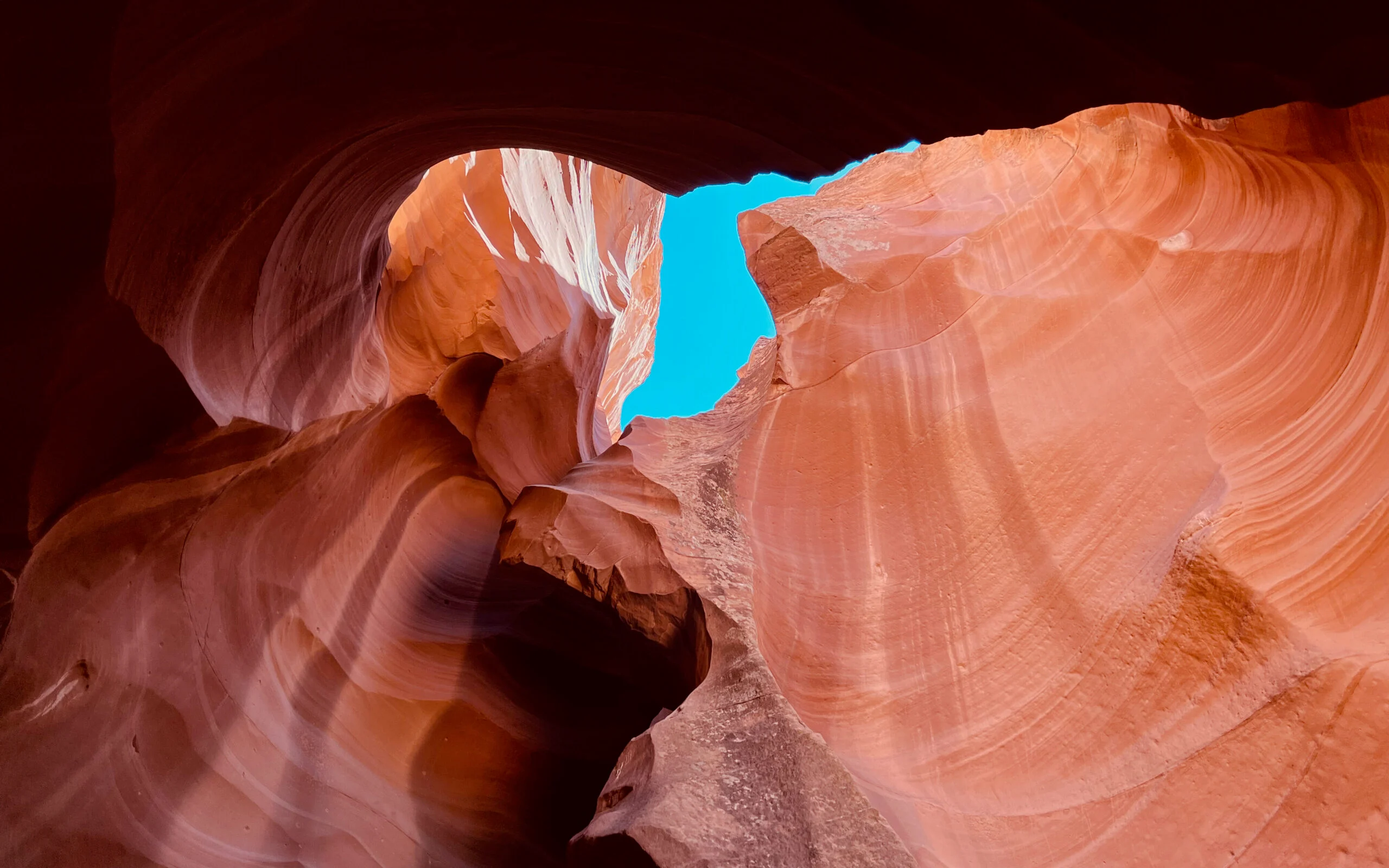
organicjuicebardc.com – Nestled in the heart of Arizona, Antelope Canyon is a geological marvel that has captivated the hearts of photographers, tourists, and nature enthusiasts from around the globe. This stunning slot canyon, located on Navajo land near Page, Arizona, is renowned for its wave-like structure and the ethereal light beams that illuminate its narrow passages during the midday sun.

The Natural Beauty of Antelope Canyon

Antelope Canyon is divided into two separate sections: Upper Antelope Canyon and Lower Antelope Canyon. Upper Antelope Canyon, also known as “The Crack,” is the most famous and visited part of the canyon. It is accessible via a staircase and offers a more straightforward walking experience, making it suitable for all visitors. The canyon’s narrow walls, towering above, create a mesmerizing play of light and shadow, especially when the sun’s rays pierce through the openings, creating a mystical atmosphere.

Lower Antelope Canyon, on the other hand, is characterized by its more rugged terrain and requires climbing down a ladder and navigating through tighter spaces. This section of the canyon offers a different perspective, with its own unique formations and colors. Both parts of the canyon are equally stunning, each offering a distinct experience of the natural wonder.

The Significance of Antelope Canyon

Beyond its breathtaking beauty, Antelope Canyon holds a significant place in Navajo culture. The canyon is considered a sacred site, and its name is derived from the Navajo term “Tsé bighánílíní,” meaning “the place where water runs through rocks.” The canyon has been a source of spiritual and cultural inspiration for the Navajo people, and it is important to respect the site’s significance when visiting.

Visiting Antelope Canyon

Visiting Antelope Canyon requires a guided tour, as it is located on Navajo land. Tours are available year-round, but it’s essential to book in advance, especially during peak tourist seasons. The canyon’s popularity has grown significantly over the years, and tours can fill up quickly.

Photographers are particularly drawn to Antelope Canyon for its unique lighting conditions and the opportunity to capture the canyon’s ethereal beauty. However, all visitors can appreciate the canyon’s natural splendor, making it a must-visit destination for anyone traveling to Arizona.

Preserving Antelope Canyon

As with any natural wonder, preserving Antelope Canyon for future generations is crucial. The Navajo Nation and tour operators have implemented measures to protect the canyon, including limiting the number of visitors and ensuring that tours are conducted in an environmentally responsible manner. It is important for visitors to follow guidelines and respect the canyon’s delicate ecosystem to ensure its preservation.

In conclusion, Antelope Canyon is a testament to the awe-inspiring beauty of nature. Its unique formations, combined with the cultural significance it holds for the Navajo people, make it a truly special place. Whether you’re a photographer seeking the perfect shot or a traveler looking to experience the natural wonders of Arizona, a visit to Antelope Canyon is sure to leave a lasting impression.
The World’s Most Impressive Land Animals: Majestic Mammals

organicjuicebardc.com – The animal kingdom is a tapestry of life, woven with the threads of countless species, each unique in its own right. Among these, mammals stand out as some of the most impressive creatures to grace our planet. With their diverse adaptations, complex behaviors, and often majestic appearances, these land animals have captured the imagination of humans for generations. From the towering giants that tread the savannas to the swift predators that rule the forests, here we explore some of the world’s most impressive land mammals.

African Elephant (Loxodonta africana)

The African elephant is the largest land animal on Earth, with males often weighing up to 6,000 kilograms (13,227 pounds) and reaching heights of 3.96 meters (13 feet) at the shoulder. These gentle giants are known for their intelligence, complex social structures, and the deep bonds they form within their family units. Their impressive tusks, used for digging and stripping bark from trees, are also a source of conflict, as they make the elephants targets for poaching.

Siberian Tiger (Panthera tigris altaica)

Also known as the Amur tiger, the Siberian tiger is the largest of all tiger subspecies and one of the most formidable predators in the world. With coats that can range from a light honey color to a dark brown, these tigers are perfectly camouflaged to stalk their prey in the dense forests of the Russian Far East. Their powerful build, coupled with their stealth and strength, makes them apex predators in their ecosystem.

Giraffe (Giraffa camelopardalis)

The giraffe is the tallest living terrestrial animal, with males reaching heights of up to 5.5 meters (18 feet). Their long necks and legs are adaptations that allow them to feed on leaves, buds, and branches of trees that other herbivores cannot reach. Giraffes have a unique method of communication, using sounds that are too low-frequency for humans to hear. Their elegant silhouette is an iconic symbol of the African savanna.

Grizzly Bear (Ursus arctos horribilis)

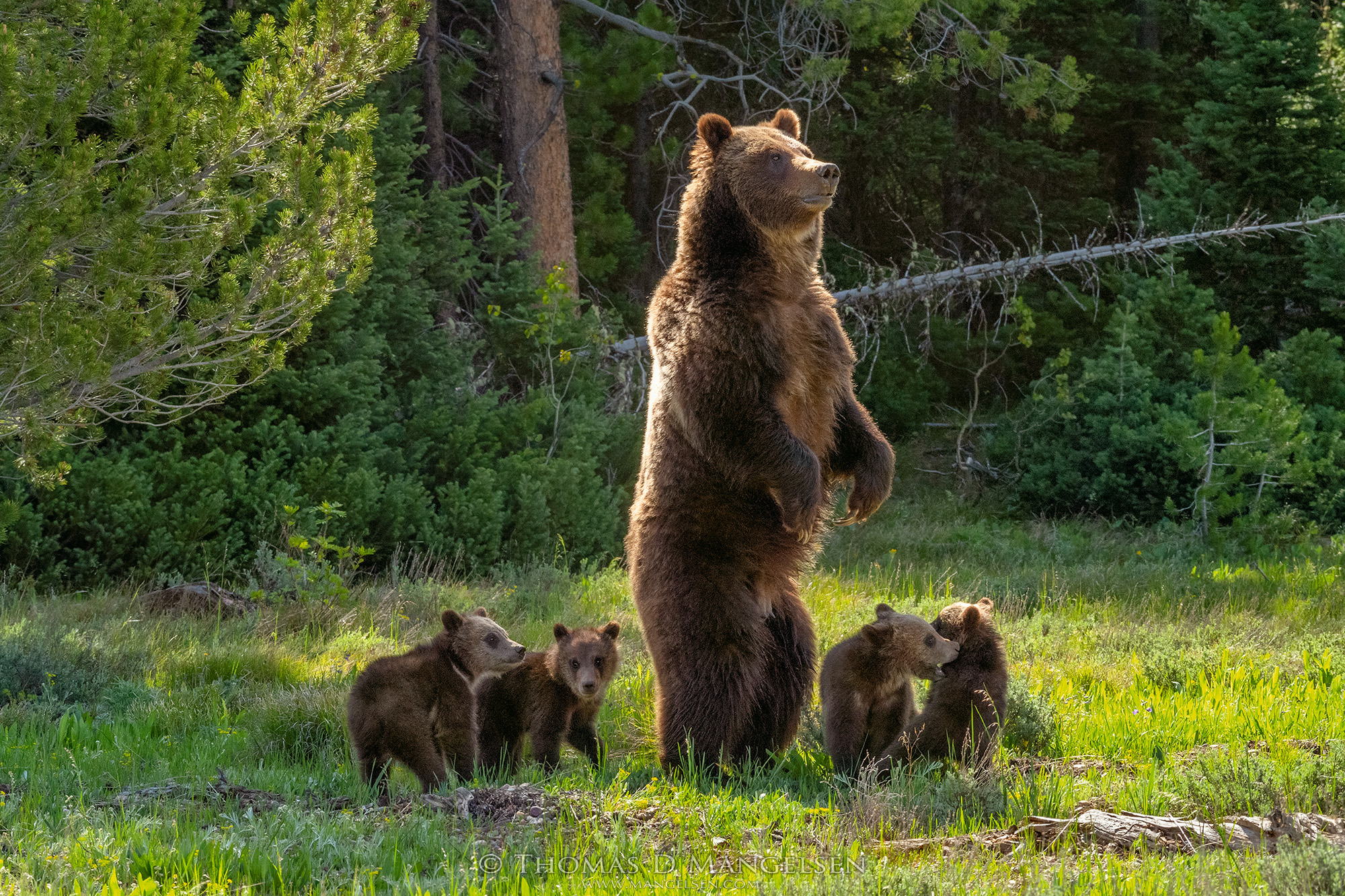
The grizzly bear, a subspecies of the brown bear, is a formidable presence in North America’s wilderness. Known for its muscular build, large shoulder hump, and distinctive grizzled fur, this bear is a top predator and an essential part of the ecosystems it inhabits. Grizzly bears are omnivorous, with a diet that includes fish, berries, and insects, and they play a crucial role in seed dispersal and nutrient cycling.

African Lion (Panthera leo)

The African lion, often referred to as the “king of the jungle” (despite living in grasslands rather than jungles), is a symbol of strength and courage. Lions are social animals, living in groups called prides, which consist of several adult females, their cubs, and a few adult males. They are apex predators, and their hunting strategies are a testament to their social intelligence and cooperation.

Kangaroo (Macropus spp.)

Native to Australia, kangaroos are marsupials known for their powerful hind legs, large feet, and strong tails, which allow them to hop at great speeds. They are herbivores and play a significant role in the ecology of their environment, influencing the structure and composition of plant communities. The red kangaroo is the largest of the kangaroo species and can reach up to 1.8 meters (6 feet) in height.

Polar Bear (Ursus maritimus)

The polar bear is the world’s largest land carnivore, with males weighing up to 650-1,000 kilograms (1,433-2,205 pounds). Adapted to life in the Arctic, these bears have a thick layer of fat and a water-repellent coat that keeps them warm in the frigid climate. They are skilled swimmers and hunt primarily seals, which are their main source of food.

Rhinoceros (Rhinocerotidae)

Rhinoceroses are massive herbivores with one or two horns on their snouts. There are five species of rhinos, found in Africa and Asia, each facing various threats, including habitat loss and poaching. The white rhinoceros is the largest, while the Sumatran and Javan rhinos are among the most endangered.

These majestic mammals are more than just impressive creatures; they are vital components of their ecosystems, playing key roles in maintaining biodiversity and ecological balance. However, many of these species face threats from habitat destruction, poaching, and climate change. Conservation efforts are crucial to protecting these magnificent animals and ensuring that future generations can marvel at their grandeur in the wild.