organicjuicebardc.com – Success is a multifaceted concept that can be interpreted in various ways depending on individual perspectives and societal norms. However, one common denominator among successful individuals is the mindset they adopt to navigate the challenges and opportunities that come their way. The psychology of success delves into these mindsets, revealing patterns and traits that distinguish winners from the rest. This article explores the key psychological components that contribute to success, offering insights into how one can cultivate a winner’s mindset.
Understanding the Winner’s Mindset
At the core of success is the mindset that one possesses. A winner’s mindset is not just about being confident or ambitious; it encompasses a set of beliefs, attitudes, and behaviors that propel individuals towards their goals. It is about resilience, adaptability, and the relentless pursuit of excellence.
Resilience: Bouncing Back from Setbacks
Resilience is the ability to recover quickly from difficulties. Winners view failures and setbacks not as roadblocks but as stepping stones to success. They learn from their mistakes, adapt their strategies, and continue moving forward with renewed vigor. This resilience is what allows them to persist in the face of adversity.
Adaptability: Embracing Change
The world is constantly changing, and so are the conditions for success. Winners are adaptable; they are open to new ideas and are willing to change their approaches when necessary. They understand that what worked yesterday may not work today and are always looking for ways to improve and innovate.
Pursuit of Excellence: Never Settling for Mediocrity
Winners are driven by a relentless pursuit of excellence. They set high standards for themselves and are not content with mediocrity. This drive pushes them to continually improve, learn, and grow, ensuring that they remain at the top of their game.
Cultivating a Winner’s Mindset
Cultivating a winner’s mindset is a process that involves self-reflection, learning, and practice. Here are some strategies to help you develop a mindset that fosters success:
Set Clear, Achievable Goals
Success starts with having clear, achievable goals. Winners know what they want to achieve and set specific, measurable, attainable, relevant, and time-bound (SMART) goals to guide their efforts.
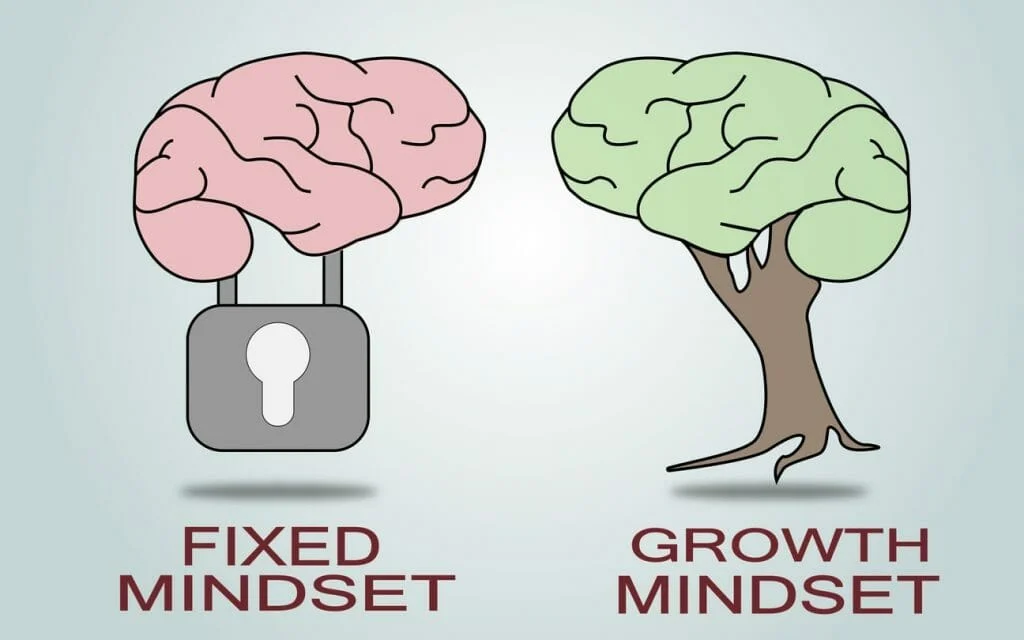
Embrace a Growth Mindset
A growth mindset is the belief that abilities and intelligence can be developed through dedication and hard work. Winners understand that talent and skill are just the starting points; with effort, they can always improve.
Practice Self-Discipline
Self-discipline is crucial for success. It involves controlling one’s feelings and overcoming one’s weaknesses. Winners are disciplined in their actions and thoughts, focusing on what needs to be done to achieve their goals.
Stay Positive and Persistent
A positive attitude can make a significant difference in one’s ability to succeed. Winners maintain a positive outlook, even in the face of challenges, and they persist in their efforts, knowing that success often requires perseverance.
Learn Continuously
Winners never stop learning. They are curious, open to new experiences, and always looking for ways to expand their knowledge and skills. This continuous learning keeps them ahead of the curve and ready to seize new opportunities.
Conclusion
The psychology of success is not about innate talent or luck; it’s about the mindset that individuals develop and nurture. A winner’s mindset is characterized by resilience, adaptability, and a relentless pursuit of excellence. By setting clear goals, embracing a growth mindset, practicing self-discipline, staying positive and persistent, and continuously learning, anyone can cultivate a mindset that leads to success. Remember, success is not just about achieving goals; it’s about the journey, the growth, and the person you become along the way.