organicjuicebardc.com – Nestled in the lush, verdant landscapes of northern Romania, the Painted Monasteries of Bucovina stand as a testament to the profound intertwining of art and spirituality. These architectural marvels, with their vibrant frescoes and intricate designs, are not just places of worship but also a living museum of Byzantine art and culture.
A Glimpse into the Past
The history of the Painted Monasteries dates back to the 15th and 16th centuries, a period marked by the flourishing of religious art in the region. The monasteries were built during a time when the area was under the rule of the Moldavian Principality. The rulers of Moldavia, seeking to protect their people from the constant threat of invasion by the Ottoman Empire, turned to the construction of these fortified monasteries. However, the walls of these monasteries were not just for defense; they were also canvases for some of the most exquisite religious art of the time.
The Art of the Frescoes
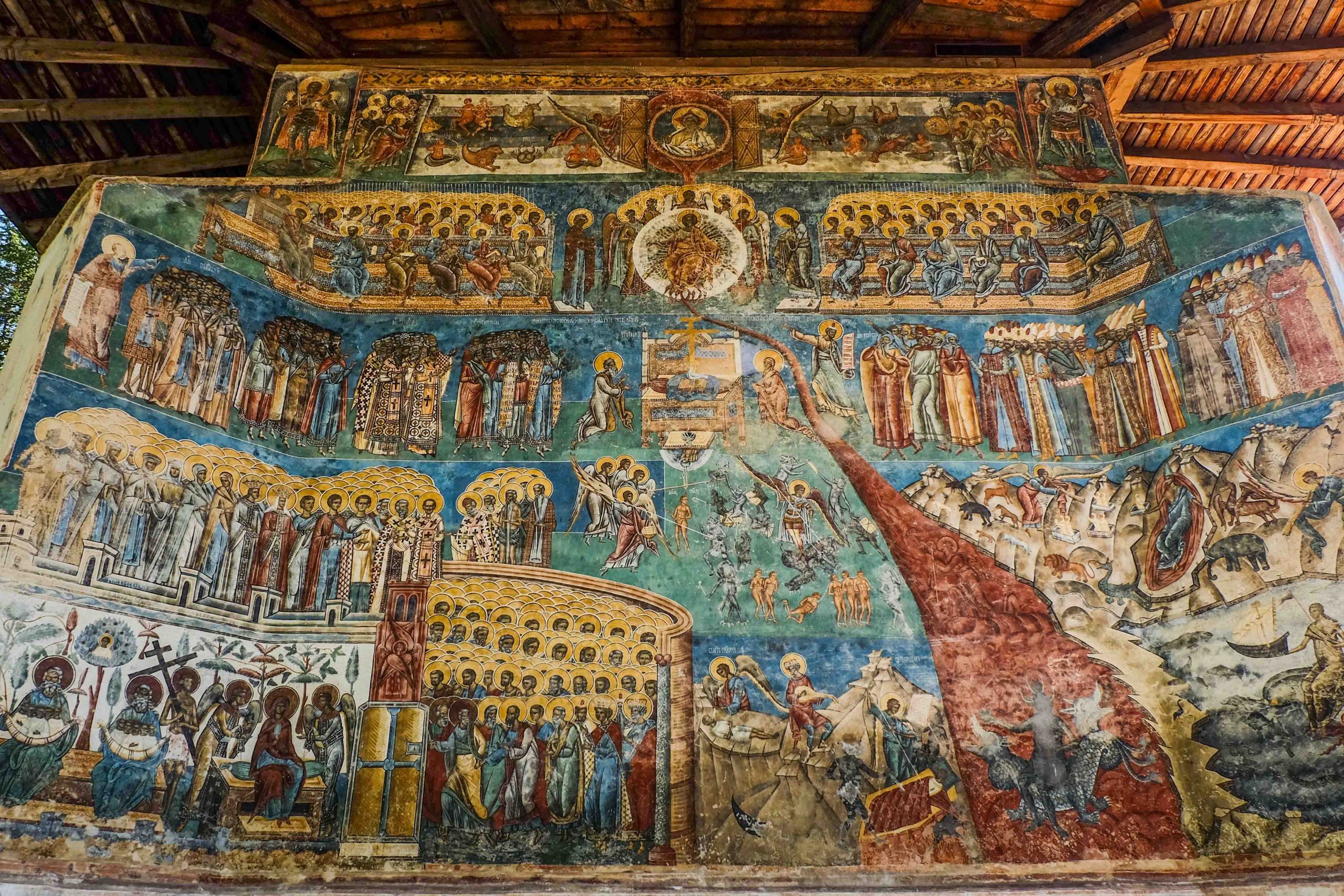
The most striking feature of the Painted Monasteries is their exterior frescoes. These vibrant paintings, which cover almost every inch of the exterior walls, depict scenes from the Bible, the lives of saints, and other religious narratives. The use of bright colors and detailed imagery was not just for aesthetic appeal; it served as a way to educate the largely illiterate population about Christian teachings.
The frescoes are not only a visual feast but also a window into the spiritual and cultural life of the people of Bucovina. They reflect the deep religious faith of the community and the influence of Byzantine art and culture. The monasteries of Moldovița, Sucevița, and Voroneț, among others, are renowned for their exceptional frescoes, each with its unique style and themes.
Spiritual Significance
Beyond their artistic value, the Painted Monasteries hold deep spiritual significance. They were not just places of refuge but also centers of spiritual life. The monasteries were home to monks who lived a life of prayer and contemplation, and they attracted pilgrims from far and wide. The frescoes, with their vivid depictions of heaven and hell, served as a reminder of the eternal consequences of one’s actions, reinforcing the moral and spiritual teachings of the Church.
Preservation and Recognition
Recognizing their outstanding universal value, UNESCO inscribed the Painted Monasteries of Bucovina on its World Heritage List in 1993. This recognition has helped in the preservation and restoration of these architectural treasures, ensuring that they continue to inspire and educate future generations.
The monasteries are not just a destination for art enthusiasts and historians but also for those seeking a deeper spiritual connection. The serene atmosphere, surrounded by the natural beauty of Bucovina, offers a space for reflection and prayer, making it a unique spiritual experience.
Conclusion
The Painted Monasteries of Bucovina are a remarkable blend of art and spirituality, a testament to the enduring power of faith and creativity. They stand as a beacon of hope and resilience, a reminder of the rich cultural heritage of the region. Visiting these monasteries is not just an opportunity to admire beautiful art; it’s a journey into the soul of Bucovina, a place where the spiritual and the artistic converge in perfect harmony.