Art and Spirituality: The Painted Monasteries of Bucovina

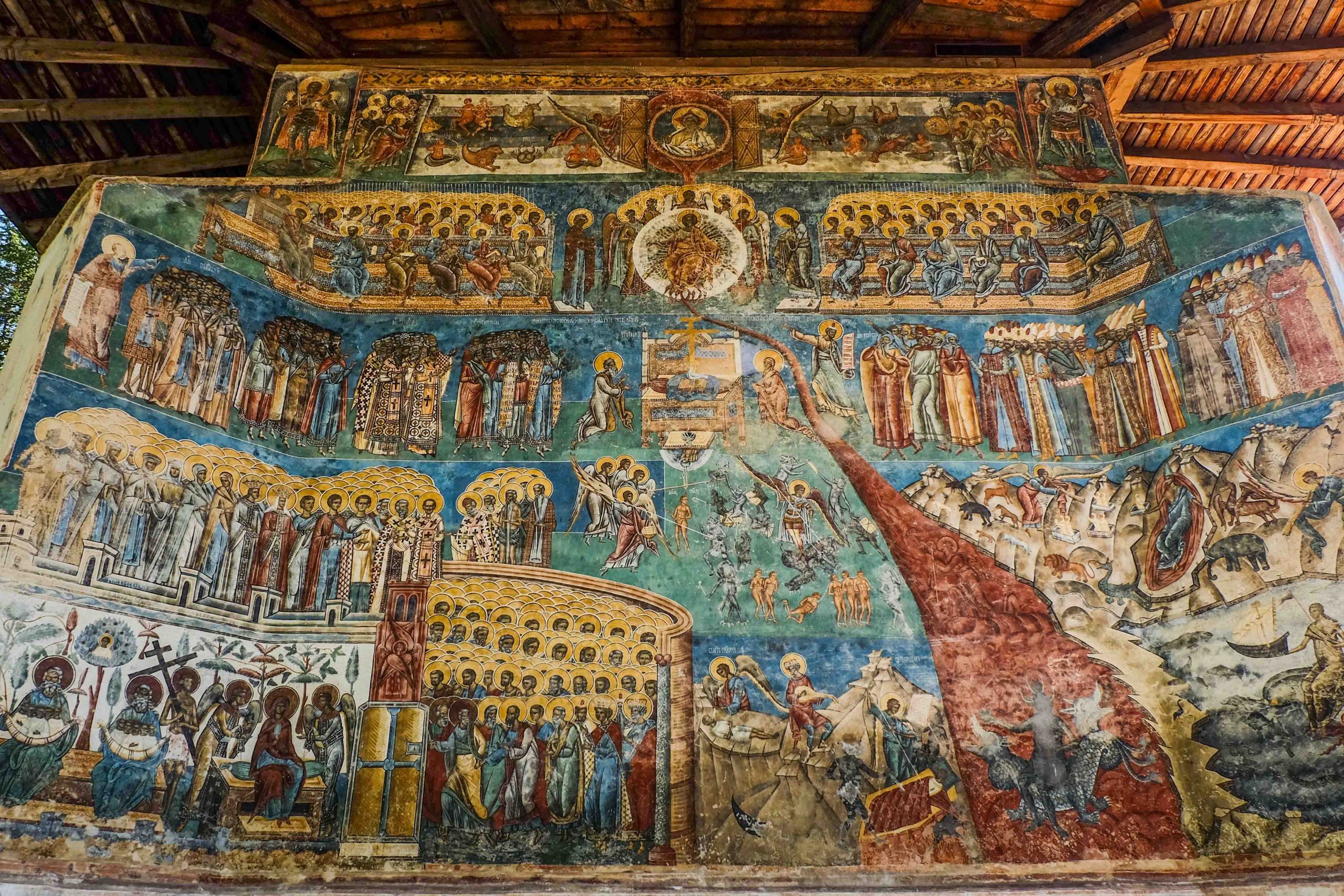
organicjuicebardc.com – Nestled in the lush, verdant landscapes of northern Romania, the Painted Monasteries of Bucovina stand as a testament to the profound intertwining of art and spirituality. These architectural marvels, with their vibrant frescoes and intricate designs, are not just places of worship but also a living museum of Byzantine art and culture.

A Glimpse into the Past

The history of the Painted Monasteries dates back to the 15th and 16th centuries, a period marked by the flourishing of religious art in the region. The monasteries were built during a time when the area was under the rule of the Moldavian Principality. The rulers of Moldavia, seeking to protect their people from the constant threat of invasion by the Ottoman Empire, turned to the construction of these fortified monasteries. However, the walls of these monasteries were not just for defense; they were also canvases for some of the most exquisite religious art of the time.

The Art of the Frescoes

The most striking feature of the Painted Monasteries is their exterior frescoes. These vibrant paintings, which cover almost every inch of the exterior walls, depict scenes from the Bible, the lives of saints, and other religious narratives. The use of bright colors and detailed imagery was not just for aesthetic appeal; it served as a way to educate the largely illiterate population about Christian teachings.

The frescoes are not only a visual feast but also a window into the spiritual and cultural life of the people of Bucovina. They reflect the deep religious faith of the community and the influence of Byzantine art and culture. The monasteries of Moldovița, Sucevița, and Voroneț, among others, are renowned for their exceptional frescoes, each with its unique style and themes.

Spiritual Significance

Beyond their artistic value, the Painted Monasteries hold deep spiritual significance. They were not just places of refuge but also centers of spiritual life. The monasteries were home to monks who lived a life of prayer and contemplation, and they attracted pilgrims from far and wide. The frescoes, with their vivid depictions of heaven and hell, served as a reminder of the eternal consequences of one’s actions, reinforcing the moral and spiritual teachings of the Church.

Preservation and Recognition

Recognizing their outstanding universal value, UNESCO inscribed the Painted Monasteries of Bucovina on its World Heritage List in 1993. This recognition has helped in the preservation and restoration of these architectural treasures, ensuring that they continue to inspire and educate future generations.

The monasteries are not just a destination for art enthusiasts and historians but also for those seeking a deeper spiritual connection. The serene atmosphere, surrounded by the natural beauty of Bucovina, offers a space for reflection and prayer, making it a unique spiritual experience.

Conclusion

The Painted Monasteries of Bucovina are a remarkable blend of art and spirituality, a testament to the enduring power of faith and creativity. They stand as a beacon of hope and resilience, a reminder of the rich cultural heritage of the region. Visiting these monasteries is not just an opportunity to admire beautiful art; it’s a journey into the soul of Bucovina, a place where the spiritual and the artistic converge in perfect harmony.
The Art of Decorating With the Perfect Piece

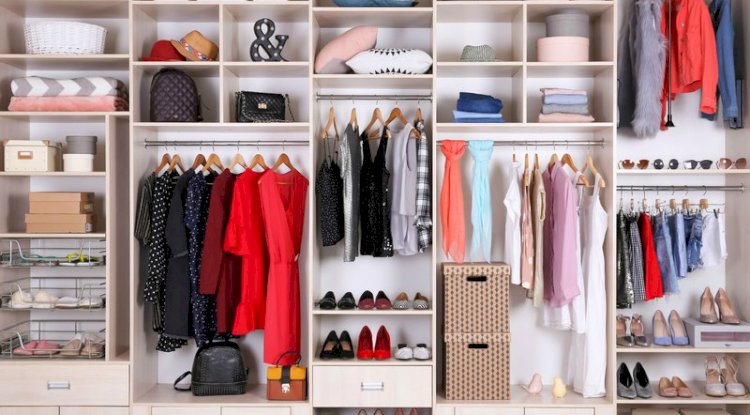
Accessories are the unsung heroes of the fashion world. They hold the power to transform an ordinary outfit into something extraordinary, adding personality, flair, and a touch of sophistication. Whether you’re dressing up for a formal event or aiming for a casual, everyday look, the right accessories can make all the difference. Here’s a comprehensive guide to mastering the art of accessorizing and elevating your outfit with the perfect pieces.

1. Understand the Basics

Balance is Key

The foundation of great accessorizing is balance. If your outfit is heavily patterned or brightly colored, opt for subtle accessories. Conversely, if your ensemble is more understated, feel free to experiment with bold, statement pieces.

Quality Over Quantity

Investing in high-quality accessories can significantly enhance your overall appearance. Well-crafted pieces tend to last longer and often look more polished than cheaper alternatives.

2. Essential Accessories for Every Wardrobe

Jewelry

  • Earrings: From studs and hoops to chandeliers and cuffs, earrings frame your face and can add a touch of elegance or edge to your look.
  • Necklaces: A statement necklace can be a focal point, while a delicate chain can add subtle sophistication.
  • Bracelets and Bangles: These can add personality and a sense of completeness to your outfit.

Scarves

Scarves are incredibly versatile. They can be worn around the neck, as a headband, or even tied to your handbag for a pop of color and texture.

Belts

A well-chosen belt can define your waist and add structure to your outfit. Opt for classic leather for a timeless look, or experiment with bold colors and patterns for a fashion-forward approach.

Hats

Hats are a fantastic way to add personality and flair. From fedoras to beanies, choose a style that complements your outfit and face shape.

Bags

Your choice of bag can make a big statement. Clutches, totes, and crossbody bags each serve different purposes and can drastically change the vibe of your outfit.

Shoes

Shoes are often considered an accessory and can either complement or contrast with your outfit. Invest in a few versatile pairs that can be mixed and matched with various looks.

3. Tips for Perfect Accessorizing

Consider the Occasion

Tailor your accessories to the event. For formal occasions, opt for classic and elegant pieces. For casual outings, feel free to be more playful and experimental.

Mix Metals with Caution

While mixing metals can be trendy, it’s essential to do it thoughtfully. Try to keep a balance and ensure that the mixed pieces complement each other rather than clash.

Layering

Layering can add depth and interest to your look. Think multiple necklaces of varying lengths or stacking rings and bracelets. However, be mindful not to overdo it—less can often be more.

Color Coordination

Coordinate your accessories with the colors of your outfit. This doesn’t mean everything has to match perfectly, but a harmonious color palette can create a cohesive and polished appearance.

Statement vs. Subtlety

Decide whether you want your accessories to stand out or blend in. A single statement piece can be a conversation starter, while more subtle accessories can enhance your outfit without overpowering it.

4. Seasonal Accessorizing

Spring and Summer

In warmer months, opt for lighter, brighter accessories. Think pastel scarves, straw hats, and colorful jewelry. Sunglasses are both a practical and stylish addition.

Fall and Winter

Colder weather calls for warmer, richer accessories. Scarves, gloves, and hats in deep colors and luxe materials like wool and cashmere can add both warmth and style.

Conclusion

Mastering the art of accessorizing is all about understanding your personal style, the occasion, and the balance between your outfit and your accessories. With a well-curated collection of accessories, you can effortlessly elevate any outfit and express your unique fashion sense. Remember, accessories are not just about adding to your look—they’re about enhancing and completing it. So, next time you dress up, take a moment to consider the perfect pieces that will elevate your ensemble from ordinary to extraordinary.

Some questions you may ask:
Can you elaborate on how to choose the right accessories for different body types?
What are some common mistakes people make when accessorizing?
How can one mix and match different accessories without overdoing it?