organicjuicebardc.com – The journey of a product from a mere concept to a tangible item in the hands of a consumer is a fascinating and complex process. This journey is marked by various stages, each critical to the final outcome. In this article, we will explore the steps that a product goes through within a factory, from the initial idea to the moment it reaches the consumer.
Conceptualization and Design
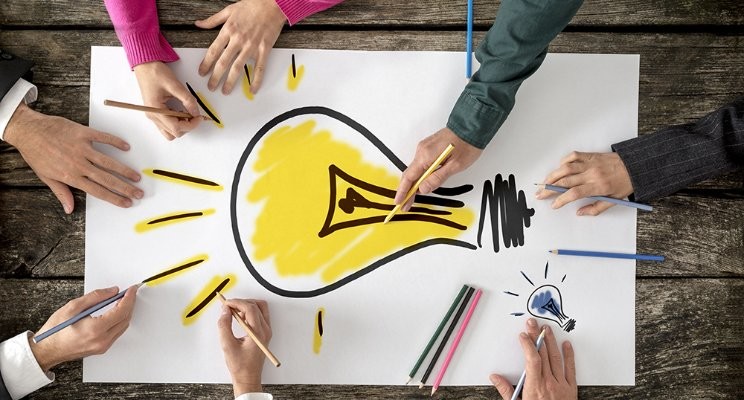
The journey begins with an idea. This could be a new product or an improvement on an existing one. The concept is then developed by product designers and engineers who create detailed plans and specifications. This stage involves market research to ensure that the product meets consumer needs and regulatory requirements.
Prototyping
Once the design is finalized, a prototype is created. This is a sample version of the product that allows the team to test its functionality, aesthetics, and usability. Prototyping is an iterative process where adjustments are made until the product meets the desired quality and performance standards.
Tooling and Production Setup
With a finalized design, the factory prepares for mass production by creating the necessary tools and machinery setups. This could involve building molds for injection molding, setting up assembly lines, or programming robots for automated tasks. The goal is to ensure that the production process is efficient and capable of producing the product at scale.
Sourcing Materials
Before production can commence, all the necessary materials and components must be sourced. This involves working with suppliers to ensure that the materials meet the required specifications and are delivered on time. Sustainability and ethical sourcing are increasingly important considerations in this stage.
Manufacturing
The manufacturing stage is where the product comes to life. This involves various processes such as casting, molding, cutting, sewing, or assembly, depending on the product. Quality control is paramount at this stage to ensure that each product meets the required standards.
Quality Assurance
Throughout the manufacturing process, quality assurance (QA) teams conduct inspections and tests to identify and rectify any defects. This could involve visual inspections, functional tests, or more sophisticated quality control measures. The goal is to catch issues early and maintain high-quality standards.
Packaging
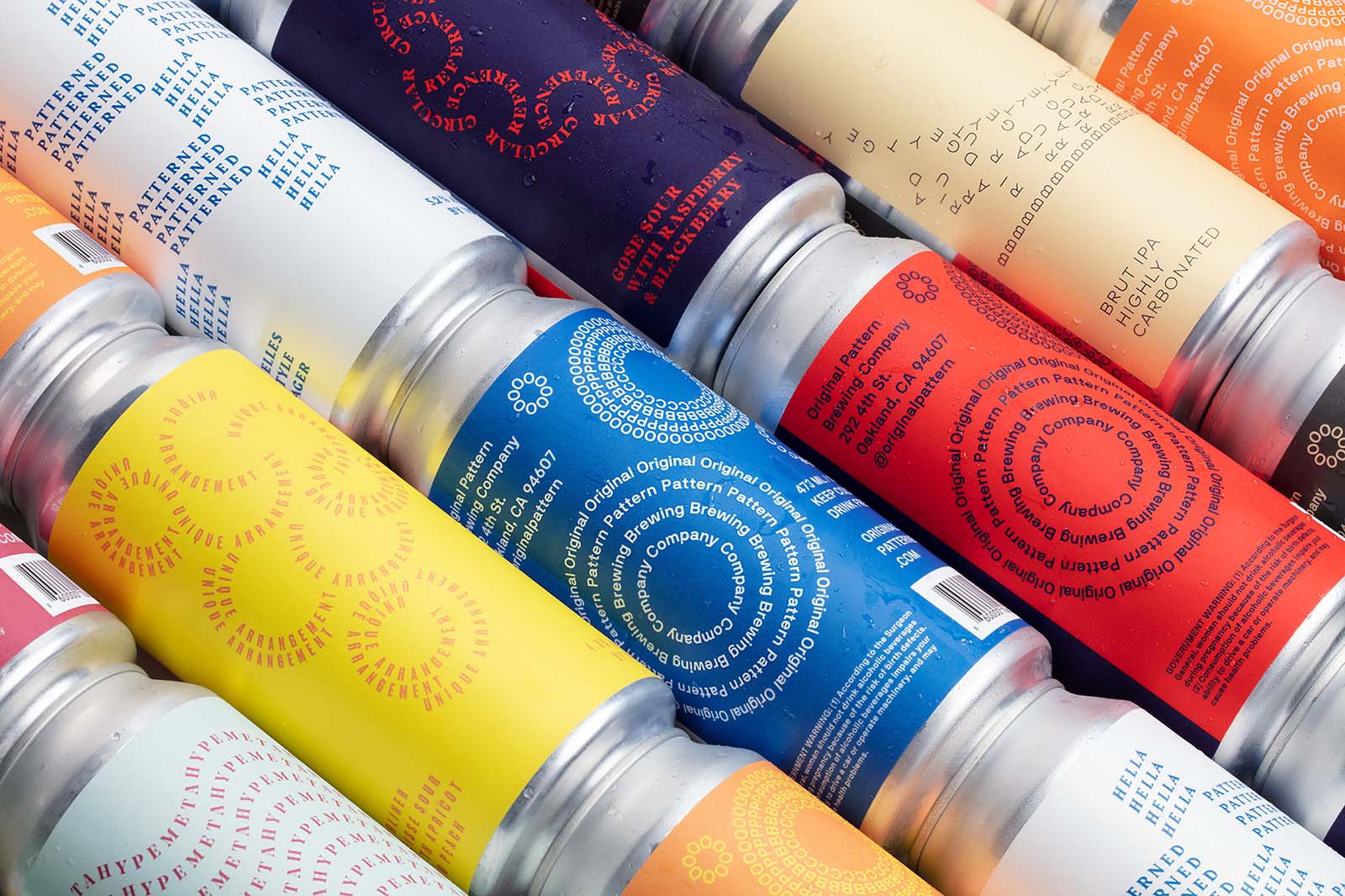
Once the product is manufactured and passes QA, it is ready for packaging. Packaging not only protects the product during shipping but also serves as a marketing tool to attract consumers. The design and materials used in packaging are carefully chosen to align with the brand’s image and environmental goals.
Logistics and Distribution
With the product packaged, it is now ready to be shipped to warehouses or directly to retailers. The logistics team coordinates with carriers to ensure timely and cost-effective delivery. Distribution channels could include wholesalers, retailers, e-commerce platforms, or direct-to-consumer models.
Retail and Consumer Purchase
The final stage of the journey is when the product reaches the retail environment or is delivered directly to the consumer. Effective marketing and sales strategies are crucial to encourage consumer interest and drive purchases. The product’s journey is complete when it is in the hands of the consumer, fulfilling its intended purpose.
The journey from concept to consumer is a testament to the collaboration and expertise of designers, engineers, factory workers, logistics professionals, and marketers. Each stage requires precision, attention to detail, and a commitment to quality. As consumers, we often take for granted the complexity of this journey, but it is this intricate process that brings the products we use and enjoy into our lives.