
A Teacher’s Impact on Students: Beyond the Blackboard

organicjuicebardc.com – In the realm of education, teachers are often seen as the architects of knowledge, their primary duty being to impart academic wisdom to their students. However, the influence of a teacher extends far beyond the blackboard, shaping not just the minds but the very lives of their students.

Academic Foundation

At the core, teachers lay the academic foundation for students. They introduce them to the world of letters, numbers, and sciences, guiding them through the intricacies of each subject. This foundational knowledge is crucial for students to build upon as they progress through their educational journey.

Life Skills and Values

Beyond academics, teachers instill life skills and values that are essential for personal and professional growth. They teach students how to think critically, communicate effectively, and work collaboratively. These skills are not confined to the classroom; they are the building blocks for success in all areas of life.

Emotional Support

Teachers also play a pivotal role in providing emotional support to their students. They are often the first to recognize signs of struggle, whether academic or personal, and can offer guidance and encouragement. This support system is invaluable, as it helps students navigate the challenges of growing up and learning.

Inspiration and Motivation

A teacher’s passion for their subject can be infectious, inspiring students to pursue their own interests and dreams. They motivate students to push beyond their limits, to strive for excellence, and to never give up, even in the face of adversity.

Role Models

Teachers are role models, embodying the qualities they wish to instill in their students. Through their actions and words, they demonstrate the importance of integrity, respect, and perseverance. Students look up to their teachers, often emulating their behavior and attitudes.

The Lasting Impact

The impact of a teacher is lasting. Long after students have left the classroom, the lessons they’ve learned and the values they’ve absorbed continue to influence their decisions and shape their character. A teacher’s influence is a gift that keeps on giving, touching the lives of students for years to come.

Conclusion

Beyond the Blackboard, a teacher’s true impact is felt in the hearts and minds of their students. They are not just educators but mentors, guides, and inspirations. The knowledge they impart, the skills they teach, and the support they provide are the pillars upon which students build their futures. In this way, teachers leave a legacy that transcends the classroom, making a difference in the world, one student at a time.
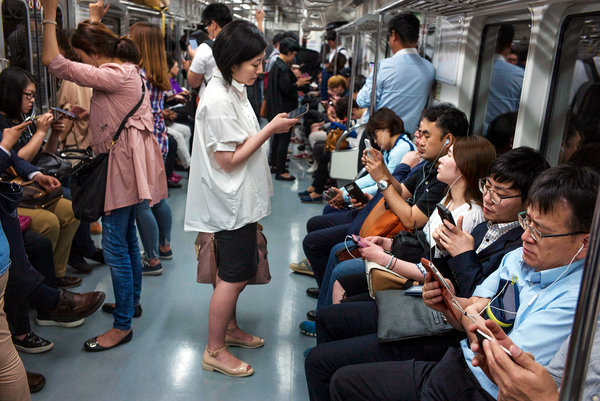
The Impact of Smartphones on Society

organicjuicebardc.com – Smartphones have had a profound impact on society, transforming the way we communicate, access information, and conduct our daily lives. Here are some of the key areas where smartphones have made a significant impact:

  1. Communication: Smartphones have revolutionized the way we communicate. With the advent of messaging apps, social media, and video calling, people can stay in touch with friends and family across the globe instantly and at a very low cost. This has made the world feel smaller and has facilitated the maintenance of long-distance relationships.
  2. Information Access: The internet in your pocket means that information is more accessible than ever before. Whether it’s checking the latest news, looking up a fact, or watching educational videos, smartphones have made learning and staying informed incredibly convenient.
  3. Productivity: Smartphones come with a plethora of apps designed to increase productivity, from calendars and to-do lists to complex project management tools. They allow people to work remotely, stay organized, and manage their time more effectively.
  4. Entertainment: Smartphones are portable entertainment centers, offering access to music, movies, games, and books. They have changed the way we consume media, with streaming services and mobile games becoming central to many people’s leisure time.
  5. Navigation and Travel: With built-in GPS and various navigation apps, smartphones have made it easier to find your way around, discover new places, and travel without getting lost. This has had a significant impact on how we navigate both in our daily lives and when we’re on vacation.
  6. Health and Fitness: Smartphones can track fitness goals, monitor health metrics, and even diagnose certain conditions with the help of medical apps. They have become an integral part of the health and wellness industry, encouraging people to take an active role in managing their health.
  7. Banking and Finance: Mobile banking apps have made financial transactions more convenient and accessible. People can now manage their finances, transfer money, pay bills, and even invest from their smartphones, which has democratized access to financial services.
  8. Social Changes: Smartphones have led to social changes, both positive and negative. They have enabled social movements to organize and mobilize more effectively, but they have also contributed to issues like social media addiction, cyberbullying, and privacy concerns.
  9. Economy: The rise of smartphones has created new industries and transformed existing ones. The app economy, for example, has led to the development of thousands of apps and services, providing new job opportunities and revenue streams.
  10. Education: Smartphones have the potential to democratize education by providing access to educational resources and online courses to people who might not have had such opportunities before. They can also be used as learning tools in classrooms, enhancing the educational experience.

While smartphones have brought about many positive changes, they also come with challenges. Issues such as smartphone addiction, privacy concerns, and the impact on face-to-face social interactions are areas of concern that society continues to grapple with. Nonetheless, smartphones remain one of the most significant technological advancements of the 21st century, with their impact likely to grow as technology continues to evolve.